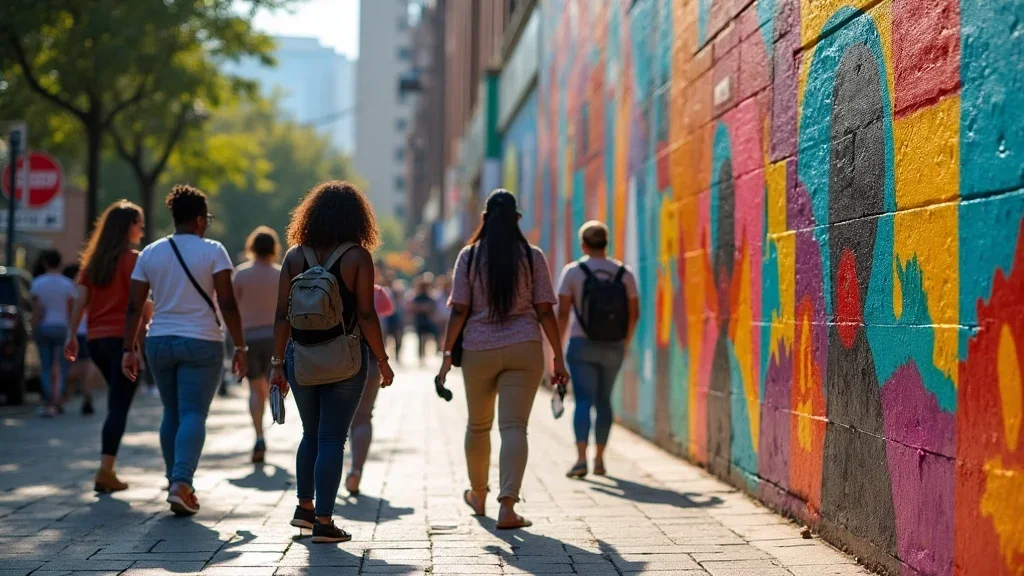
Picture this: You set out for a morning walk on the Eastside Trail, the hum of Atlanta waking up all around you. Suddenly, a splash of color grabs your eye, a mural stretches across a building, alive with swirling forms and faces that seem to tell stories of the people who live here. A little farther down, a group has gathered by an abstract sculpture where kids weave between playful shapes and someone stops, just to look. In Atlanta, public art isn’t tucked away in a gallery; it’s right on your path, transforming your everyday routes into something worth lingering over.Whether you’re a longtime resident or a first-time visitor, discovering Atlanta public art is about more than admiring creative talent, it’s about slowing down to notice the neighborhoods, the people, and the shared stories that make this city unique. Atlanta’s art collection is not confined to museums; it’s woven into sidewalks, parks, plazas, and walls across the city, constantly inviting you to pause, connect, and see the city through a new lens.What You'll Discover About Atlanta Public ArtHow Atlanta public art shapes neighborhood identityWhere Atlanta public art transforms city walks and communal spacesWhy the BeltLine is pivotal to Atlanta public art cultureWays Atlanta public art invites exploration and connectionHow Atlanta public art reveals the city’s stories and ambitionsEveryday Encounters: The Unique Spirit of Atlanta Public ArtWander almost anywhere in Atlanta and public art is hard to miss. It springs up on unsuspecting street corners, transforms underpasses into color-soaked canvases, and springs to life along the bustling BeltLine where murals, installations, and sculptures punctuate your stroll. Unlike more traditional art programs limited to museum walls, Atlanta public art is immersive, a living gallery braided through daily life.Atlanta’s public art collection isn’t just an initiative run by the office of cultural affairs or spruced up before the Olympic Games; it reflects the city’s determination to make creativity part of everyday experience, not just something to be consumed as a spectator. Public artworks mark neighborhood transitions, spark conversations among passersby, and function as open invitations to linger, reflect, and share memories. Whether you stumble upon a spontaneous mural festival or simply pause to admire the craft of local artists, Atlanta’s art program encourages everyone to participate in the city’s creative rhythm."You notice public art all over Atlanta, not in galleries, but where you live your life. It turns sidewalks into stories."How Public Art Engages Atlanta’s CommunitiesWhat makes atlanta public art feel organic and alive is how deeply it’s embedded in community life. Brightly painted murals often double as “signposts,” marking the entrance to a beloved neighborhood or guiding residents to communal gathering spots. You’ll see this in the local wayfinding murals dotted around Old Fourth Ward, Cabbagetown, and even new developments where art acts both as a navigational aid and an emblem of pride.Murals and sculptures frequently spotlight themes woven into Atlanta’s cultural tapestry, nods to local heroes, tributes to social movements, and snapshots of community change. The art program itself evolves as neighborhoods transform, with fresh works reflecting ongoing diversity and renewal. Interactive installations draw in everyone from seasoned art lovers to first-time explorers (especially families with kids), creating friendly, accessible entry points to the city’s culture. The result is a collection of public art that both tracks Atlanta’s growth and helps shape its future, making the entire city feel like an open, collaborative studio.Atlanta BeltLine: The City’s Ever-Changing Outdoor Public Art CollectionNowhere in Atlanta is art more woven into the fabric of daily life than on the BeltLine. What started as a vision for urban revitalization has become the city’s longest, most adventurous public art tour. Here, bold murals and playful sculptures punctuate miles of walking and cycling trails, while temporary installations appear with the seasons, each year adding new voices and visions to Atlanta’s art collection.The experience is unlike anything you’d get behind glass, on the BeltLine, art is under open sky, ever-shifting with the daylight, the weather, and the crowd. People slow down, gather in pockets around a new installation, snap photos, chat with artists during festivals, or simply rest beneath sculptures that have become familiar landmarks. As the trail loops through neighborhoods like Old Fourth Ward and West Midtown, the art changes with its backdrop, reflecting each community’s energy. The BeltLine isn’t just a corridor for movement, it’s a living, creative artery, bringing together Atlanta’s stories, ambitions, and people in real time."Walking the BeltLine, you don’t just pass art, you experience it as part of everyday Atlanta."Why Public Art Defines the Atlanta BeltLine ExperienceThe ingenuity of public art Atlanta is most visible across the BeltLine’s stretches of murals and installations. Unlike static museum settings, art along the BeltLine is dynamic, sometimes lasting only a season, sometimes refreshed as part of rotating art programs like “Art on the Atlanta BeltLine. ” These works turn every walk, jog, or bike ride into a unique discovery, with sculptures and creative interventions hidden amid urban greenery and plazas.What’s remarkable is how public art encourages residents and visitors alike to slow down and really see their surroundings. The BeltLine’s public art draws you into unexpected moments, families picnicking beside a sculpture, groups of friends pausing for photos, artists sketching murals in the open air, or solo walkers sitting quietly, reflecting on what they see. It’s common to hear snippets of conversation sparked by an artwork, or to find yourself wondering about the meaning behind a newly installed piece. In this way, public art isn’t just decoration, it’s a catalyst for community connection and a reason to explore at a thoughtful pace.Key Stops on the Atlanta BeltLine for Public Art LoversStopNotable Artworks/FeaturesNeighborhoodExperience HighlightsEastside TrailRotating murals, large-scale sculptures, Art on the Atlanta BeltLine exhibitsOld Fourth Ward, Inman ParkInteractive installations, festival pop-ups, city skyline viewsHistoric Fourth Ward ParkArt-filled green spaces, site-specific sculpturesOld Fourth WardFamily-friendly art walks, summer events, quiet reflectionKrog Street TunnelLayered graffiti, evolving street art canvasCabbagetown/Inman ParkPhotographer’s paradise, urban grit meets bold muralsWestside TrailEmerging murals, contemporary installationsWest End, WestviewLess-crowded exploration, community-driven festivalsNeighborhood Narratives: Exploring Atlanta Public Art District by DistrictEach Atlanta neighborhood offers its own twist on public art, no two areas feel the same, and each collection of public artworks shares a different story. The Old Fourth Ward blends historic resonance with a forward-looking vibe, where murals memorialize both civil rights legacies and modern movements. Little Five Points has built its identity on alt-culture and rebellion, its walls dripping with creative expression in the form of bold, quirky murals and sticker-plastered brickwork.In Cabbagetown and East Atlanta Village, street art culture is in full force: local icons and collaborative murals spill through tunnels and alleyways, often updating with each passing year. Further north, Midtown and West Midtown fuse contemporary art collections and bold plaza sculptures into adaptive city spaces that draw residents for events, photography, and quiet moments of inspiration. Walk a few blocks in any direction and you’ll uncover a distinct local mood, sometimes avant-garde, sometimes grassroots, always reflective of the people who call each district home.Old Fourth Ward, Little Five Points, and East Atlanta Village: Contrasts in Atlanta Public ArtThe ever-shifting art collection of Atlanta’s neighborhoods tells a layered and visually compelling story. In Old Fourth Ward, murals often draw on the legacies of the past and the forward motion of today’s cultural evolution, enriched by the presence of the BeltLine and ongoing redevelopment efforts. Scattered throughout Little Five Points are art program works that channel an offbeat, creative spirit, walls and storefronts alive with whimsy, satire, and community pride.Meanwhile, East Atlanta Village and nearby Cabbagetown pack their streets with tributes to both local icons and the city’s industrial roots, most notably in the Krog Street Tunnel, where the ever-changing graffiti art functions as a collective living journal. West Midtown and Midtown offer plazas, institutional sculptures, and adaptive outdoor spaces where public art Atlanta meets city life, giving these areas a modern, cosmopolitan edge. Ultimately, the public art program across these communities ties together Atlanta’s historic past and ambitious present, making the city feel both grounded and endlessly imaginative."No two neighborhoods feel the same, their murals and sculptures give each corner its own voice."Murals as Landmarks: Atlanta’s Public Art in Daily LifeAsk almost any local, and they’ll point to specific murals as the landmarks that shape their mental map of the city. These public artworks serve not just as artistic statements but as social magnets, meeting points for friends, instantly recognizable backdrops for milestone photos, and subtle reminders of collective identity.In Atlanta, murals range from hidden gems discovered down an alley to massive, well-loved works that wrap around a busy corner or building. Some celebrate community heroes or historic moments, a nod to Atlanta’s rich legacy, while others simply brighten commutes and encourage conversation. Many residents find that after a few months of passing by a particularly grand mural, it blurs into the cityscape, until someone new visits, and they suddenly view it, with fresh eyes, as a striking symbol of home.How Atlanta Murals Shape Neighborhood IdentityThe collective energy of Atlanta street art creates a living gallery that constantly reshapes the city’s social fabric. Murals not only add color to buildings but give neighborhoods their own personality, one wall might become the most-photographed spot in town, while another becomes a touchstone during community events. These works often start small, but over time, they evolve into local legends, places where friends meet before a show, where new couples have their first photo together, or where visitors pause in awe during a public art tour.Neighborhood pride often centers on recurring art installations, especially those that honor the people and South Atlanta legacy or highlight passionate causes. Over decades, Atlanta public art has built an evolving collection that captures both private memories and public celebrations. Seeing familiar murals anew, perhaps in shifting light or after a fresh coat of paint, continually renews each block’s connection with its community and visitors alike.Walkability and Exploration: Discovering Atlanta Public Art on FootOne of the greatest joys of experiencing Atlanta public art comes not from spotting it while driving, but by walking. Sidewalks act as slow lanes for art discovery: you see details up close, take in the shifting colors, and sometimes even run into the artist at work. Many of Atlanta’s most inspiring murals or installations are tucked away just beyond main roads or along meandering trails, making walking, and sometimes cycling, an essential way to genuinely experience the city’s public art collection.Walkable districts like Old Fourth Ward, Inman Park, and Midtown are prime for exploration. Each step gives you time to notice new additions or subtle changes in the art, with different times of day and seasons casting new light and mood. Practicalities like finding parking, choosing less-crowded times (mornings on weekdays are ideal), or checking weather before an art stroll, can make a big difference. During summer, the BeltLine buzzes with festivalgoers, while autumn brings quiet, contemplative walks with gentle light, no two experiences are the same. For those seeking more structure, public art tours (both guided and via mobile app) are increasingly popular, helping even locals discover corners and works they never noticed before.Why Walking Is the Key to Atlanta Public Art DiscoveryWalking not only uncovers public art at sidewalk pace, but it also allows you to engage with neighborhoods as living, breathing places rather than backdrops glimpsed through a windshield. Strolling gives you the opportunity to stumble upon hidden works, interact with fellow walkers, and really absorb the atmosphere each district creates through its art installations. Walking reveals the city’s rhythms, rushing crowds at lunch, quiet stretches in the afternoon, golden sunsets bouncing off mural colors.Walkable districts foster more meaningful connections with Atlanta’s public artworks, encouraging you to adapt your route for new discoveries and make detours as art draws you in unexpected directions. Plan ahead by checking neighborhood event schedules, packing water in the summer, and considering shorter distances if crowds are heavy. And remember, Atlanta’s public art collection rewards repeat visits—seasonal changes both in weather and in the rotation of exhibited works ensure that each walk tells a slightly different story.Comparison of Atlanta Neighborhoods for Public Art WalksNeighborhoodWalkabilityPublic Art FeaturesBest TimesOld Fourth WardHigh—connected by BeltLine, parksMurals, sculptures, art pop-upsWeekday mornings or late afternoonsLittle Five PointsMedium—short blocks, lively intersectionsMural walls, indie storefront artMidday or festival weekendsCabbagetownMedium—narrow streets, tunnel accessKrog Street Tunnel, evolving graffitiMorning for fewer crowdsMidtownHigh—broad sidewalks, plazasSculptures, institutional art, plazasEvenings and weekendsPublic Art as Atlanta’s Citywide ConversationPerhaps the most powerful aspect of Atlanta public art is its role as an ongoing conversation, one that weaves together residents, visitors, communities, and even history itself. Every new mural or sculpture becomes part of Atlanta’s story, often revealing both its diversity and the creative entrepreneurship fueling its cultural scene. As neighborhoods transform, so too does the public art collection, visibly anchoring shifts in identity and pride.Atlanta’s art program doesn’t just commemorate the past; it’s actively shaping the present and inspiring ambitions for the city’s future. You’ll find tributes to historically significant figures and movements, but also plenty of playful, forward-looking works that invite interpretation and participation. This constant creative churn is why every walk, every glance at a mural, and every gathering around a new sculpture opens space for reflection, debate, and pride.What Atlanta Public Art Says About the City TodayAtlanta’s rapidly changing skyline may grab headlines, but it’s on the walls, trails, and sidewalks where you see the true heartbeat of the city. Public art tapers grand history into relatable stories; it showcases the city’s commitment to cultural diversity, storytelling, and supporting emerging artists. Each installation, whether funded by the office of cultural affairs or sprung from a grassroots movement, adds another layer to Atlanta’s self-portrait.For locals and visitors alike, paying attention to public art Atlanta is like reading between the lines of the city’s biography, learning what it values, how it grows, and where it’s headed. In Atlanta, it’s not unusual to see people pausing beneath a mural, sharing memories or ambitions, and realizing that, here, art is everyone’s conversation."Slow down next time, public art might tell you what you didn’t know about your own city."People Also Ask: Atlanta Public ArtWhere can you find the best public art in Atlanta?The Atlanta BeltLine is a premier hub for public art Atlanta, with rotating exhibits stretching through multiple neighborhoods.Areas like Old Fourth Ward, Cabbagetown, Little Five Points, Midtown, and West Midtown are rich with atlanta murals and creative installations.How does public art contribute to Atlanta’s neighborhoods?Atlanta public art helps define local identity and encourages neighbors and visitors to explore together.Murals, sculptures, and creative placemaking anchor collective memory and foster pride.What are the best ways to discover Atlanta’s public art collection?Walking or cycling, especially along the BeltLine, offers the richest access to atlanta public art.Neighborhood strolls, arts festivals, and photography walks reveal both iconic and hidden works.Is Atlanta public art always changing?Yes, many installations are temporary, and programs like Art on the Atlanta BeltLine rotate exhibits throughout the year.Neighborhood murals and street art are often renewed or refreshed, keeping atlanta public art vibrant.FAQs about Atlanta Public ArtWhat makes Atlanta public art unique compared to other cities?Atlanta’s public art stands out for its deep connection to local stories, neighborhoods, and the city’s evolving culture. Art is everywhere, not just downtown or in major venues. Community involvement and ever-changing collaborations make it distinctive and alive.Are there guided tours of Atlanta public art available?Yes, several organizations and local art enthusiasts offer walking and biking art tours. Some are structured through cultural affairs or BeltLine programs, while others are more informal, community-led experiences.How do local artists get involved in the public art program?Artists often apply through calls posted by the Office of Cultural Affairs and initiatives like Art on the Atlanta BeltLine. Community input and local partnerships also help shape the direction of many installations and murals throughout Atlanta.Where can I find resources or maps for public art Atlanta explorations?City websites and BeltLine programs provide digital maps, and several mobile apps help users discover murals, sculptures, and installations. Local creative collectives also publish printed guides for easy self-guided exploration.Key Observations for Your Next Atlanta Public Art WalkLet yourself detour, Atlanta public art rewards wandering.Photograph what catches your eye, but also just pause and look.Ask locals about their favorite pieces; stories add new meaning.Visit at different times of day, the light and crowd change everything.Remember: Some of Atlanta’s best art is between destinations, not at them.Ready to Explore Atlanta Public Art?"If you enjoyed this story, why not stay connected? Join Atlanta Local Unplugged on Facebook and YouTube for exclusive local information. @atlantalocalunplugged"Conclusion: Slow down on your next Atlanta adventure, public art isn’t just about what you see, but how you experience the city, its neighborhoods, and the vibrant tapestry of stories they share.




Write A Comment