

cropper
update
Blazer Digital Media
update
  • Home
  • Happenings
    • Atlanta Must-Do
    • Atlanta Cafes
    • Atlanta Culture
    • Atlanta Eats
    • Atlanta Hustle
    • Atlanta Nightlife
    • Atlanta Pulse
    • Atlanta Unplugged
    • Atlanta Vibe
    • Atlanta Voices
  • Atlanta Business Spotlight
June 06.2025
2 Minutes Read

Trump's Travel Ban on 12 Countries: What’s the Real Impact?

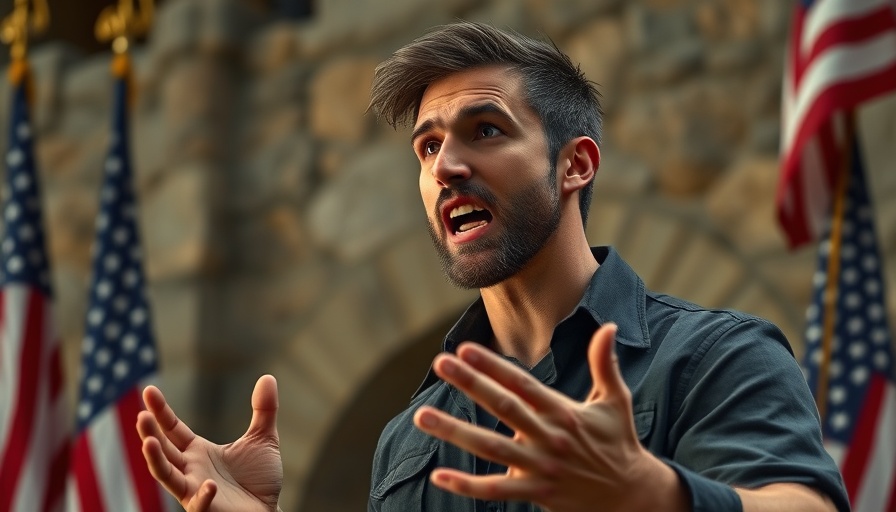
Intense figure discussing Trump's travel ban on 12 countries.

New Travel Ban: What It Means for America

President Donald Trump has recently signed a proclamation implementing a travel ban on nationals from twelve countries, effectively blocking access to the United States for individuals from nations including Afghanistan, Eritrea, and Haiti. This action, which is set to take effect soon, is aimed at heightening U.S. national security concerns and is heaped in controversy.

The Rationale Behind the Ban: National Security or Discrimination?

In his announcement, Trump stated that the restriction was designed to protect the national security interests of the country. He cited the need for better cooperation from the countries involved in improving their border and identity management procedures. However, critics have questioned whether this move serves to genuinely enhance security or is primarily aimed at limiting immigration from certain countries. Many observers argue that labeling nations as sources of insecurity often unfairly stigmatizes entire communities and overlooks the complexities of immigration and refugee crises.

The Internet's Reaction: A Wave of Dissent

As news of the ban spread, social media erupted with widespread criticism. Many users highlighted the absurdity of the ban, noting that the barriers for gaining entry into the United States are already so high that this move feels more performative than effective. Twitter user Sarah Mikal expressed her frustration by pointing out that “this ban theatrics and ineffective because the barrier of entry, even to get a US visa, is nearly impossible.” Other reactions voiced similar concerns, depicting the ban as an unjust punishment for countries like Haiti, which have endured centuries of destabilization often influenced by U.S. policy.

Historical Context: A Pattern of Exclusion

The recent ban echoes previous sentiments from Trump regarding immigration policies targeted at certain nationalities. In the past, he has made derogatory comments about immigrants from Haiti and other African nations. Historically, U.S. immigration policy has seen various forms of discrimination against certain countries and regions, which resonates with the narratives being spun about this latest travel ban.

What Lies Ahead: Implications for International Relations

On an international scale, this decision may further strain relations with the countries affected. As various nations react to being labeled as sources of potential danger, it raises questions about future diplomatic relationships. Experts warn that the perception of being 'unsafe' can have long-lasting effects on international partnerships and cooperation.

Call to Action: Engage in Meaningful Dialogue

As public opinion continues to swirl around this issue, it is crucial for individuals to engage in meaningful discussions regarding immigration and international relations. By understanding diverse perspectives, we can begin to challenge harmful stereotypes and seek solutions that promote inclusivity rather than division.

Atlanta Voices

26 Views

0 Comments

Write A Comment

*
*
Please complete the captcha to submit your comment.
Related Posts All Posts
04.21.2026

Why You Can't Miss Georgia Bulldogs Football Talk on Radio: Dive In!

Update Explore the Excitement of Georgia Bulldogs Football on the Airwaves As the college football season approaches, the passionate heart of Georgia Bulldogs football can be felt across Atlanta, inviting both locals and visitors alike to tune into the electrifying discussions on WFOY. Hosted by John Frary, the radio show promises an entertaining analysis of past games and a spirited outlook on the upcoming 2026 season, including standout players who are making headlines both on and off the field. Why You Shouldn’t Miss the Talk on College Football If you find yourself in the vibrant atmosphere of Atlanta, catching the latest sports commentary is a must. The famous banter about players like Elijah Griffin may be lighthearted, but it hints at a deeper passion for local culture and the shared joy of college sports. As the Bulldogs get ready to defend their SEC title, conversations about tactical changes and player performances weave a rich tapestry that locals find relatable. Connecting with the Community: More Than Just Football It’s not just about touchdowns and tackles. Georgia Bulldogs football serves a greater purpose in connecting communities. With the show often spotlighting fan perspectives and community insights, listeners get to engage directly through calls—making it a truly interactive experience that captures the spirit of Atlanta. A Sneak Peek into the 2026 Season With Georgia remaining a powerhouse in college football, the upcoming season is generating chatter. Predictions suggest the Bulldogs could clinch another SEC championship, with many analysts foreseeing at least 11 wins in 2026. With a strong schedule featuring rivals like Alabama and Ole Miss, the stakes are high—igniting discussions that leave fans eagerly anticipating the fall. Embrace the Joy of Listening On Air The thrill of tuning into a game analysis talk show is that it makes each listener feel like part of the action. Whether reviewing a tough loss or celebrating a hard-fought victory, the camaraderie among fans is palpable and infectious. This open dialogue offers not just commentary but also emotional support, allowing everyone to share their thoughts and feelings about the team they love. If you enjoyed this story, why not stay connected? Join Atlanta Local Unplugged on Facebook and YouTube for exclusive local information. @atlantalocalunplugged

04.18.2026

Discovering Atlanta’s Upper Westside: Is It a Real Neighborhood?

Update Unpacking Atlanta's Upper Westside: A Neighborhood in Transition In recent years, the nomenclature surrounding Atlanta's neighborhoods has undergone considerable evolution, created through a blend of history, development, and community identity. Among these emerging identities is the Upper Westside, a district that has sparked curiosity and even confusion among locals and visitors alike. But the question remains: is this Upper Westside a real place? The History and Evolution of Names The Upper Westside is an official district, established by the Community Improvement District (CID) in 2016 to enhance infrastructure in this section of Atlanta. However, the name itself is more than just branding; it represents a historical and social metamorphosis. Not unlike Midtown, which was once colloquially referred to as "Uptown," the Upper Westside's identity reflects wider socio-economic trends and neighborhood transformations. City Councilman Dustin Hillis recalls that the term Upper Westside emerged organically among residents as far back as 2008. Residents linked the name to nostalgic charms found in neighborhoods like Whittier Mill Village and Riverside. This organic naming contrasts with the real-estate-driven labels we often encounter today. Developing an Identity Amidst Disconnection One of the challenges the Upper Westside faces is its fragmented nature. Located between established districts such as Buckhead and downtown, the area's neighborhoods—including Blandtown, Berkeley Park, and Underwood Hills—are often overshadowed by their more recognizable neighbors. The CID has diligently worked on improvements like urban sidewalks and recreational pathways, but the deep-seated charm of these areas can sometimes feel overlooked. The push for unified identity isn't merely cosmetic; it’s essential for resident pride and community development. Initiatives like the new Woodall Rail Trail aim to connect these neighborhoods both physically and culturally, building a sense of community that goes beyond real-estate marketing. Culture and Community: Beyond the Name Interestingly, cultural vibrancy remains a hallmark of the Upper Westside today. The district has transformed into a hub brimming with artisanal breweries, local boutiques, and entertainment venues that include live music—defining features of urban living that attract both residents and visitors. As more offerings develop, such as the The Works, an entertainment district known for outdoor events and pop-up activities, the Upper Westside is shifting from a confusing label into an exciting cultural tapestry. It has become a space for outdoor yoga, family-friendly gatherings, and community events, giving rise to an identity that extends beyond mere geography—creating a sense of belonging that transcends the old neighborhood lines. The Real Estate Perspective: Marketing vs. Authenticity The narrative surrounding the Upper Westside has often been complicated by developers using the name to market new projects and amenities, sometimes disregarding the rich histories and identities of the established neighborhoods. Journalists like King Williams criticize this approach, warning that it risks undermining the unique identities that people associate with their homes. Williams' sentiments reflect a broader concern among residents: If a name like Upper Westside is perceived merely as a marketing gimmick, how do communities foster genuine connections? While projects such as the Luna Upper Westside contribute to the area’s growth, they also invite questions about authenticity and the communal ties that give neighborhoods their character. A Future with Identity In essence, the Upper Westside of Atlanta is a real place, woven from the threads of past and present, offering a unique mix of cultural and social experiences. While the name might still be a work in progress, the potential for a unified community—and the stories of its residents—are ultimately what defines this evolving area. If you enjoyed this story, why not stay connected? Join Atlanta Local Unplugged on Facebook and YouTube for exclusive local information. @atlantalocalunplugged

04.02.2026

How The Ralph David House is Revolutionizing Affordable Housing in Atlanta

Update Transforming Lives: The Impact of The Ralph David House on Atlanta's Unhoused ResidentsIn recent years, the issue of homelessness in Atlanta has grown increasingly dire, with many residents unable to secure stable housing. Amidst these challenges, The Ralph David House stands out as a beacon of hope, providing not just shelter, but a key to reclaiming dignity and stability for the city's unhoused populace. Located in Reynoldstown, this innovative project was born from the transformation of the former Atlanta Motel, a site previously associated with crime and disrepair.New Beginnings in a Revitalized SpaceCo-founder Stan Sugarman describes the extensive renovation process that turned the dilapidated structure into The Ralph David House. "We went in there and found a lot of asbestos, lead paint, old mattresses, and toilets that had to be removed," he shares, underscoring the labor put into creating a safe refuge for residents. The successful renovation reflects a broader commitment within Atlanta to repurpose older buildings into functional and supportive housing solutions.Housing as a Path to StabilityWith 56 low-income apartments available, the Ralph David House offers accommodations to individuals earning below 30% of the area median income—a critical threshold calling attention to the pressing issue of poverty among Atlanta's unhoused. The apartments feature essential amenities such as air conditioning and heating, vital for facing Atlanta's extreme weather conditions. Moreover, the rent structure—set at 30% of each resident's income—ensures affordability, with Atlanta Housing covering the remainder of the costs.Comprehensive Support Services to Foster GrowthWhat sets The Ralph David House apart is its holistic approach to support. Beyond housing, residents have access to on-site social services and dedicated case managers who assist them in setting personal goals. Local organizations play a crucial role in providing additional resources, including medical care, meals, and laundry services, making it more than just a housing solution—it's a community aimed at fostering resilience.Why This Initiative Matters NowAs Atlanta continues to grapple with the realities of urban homelessness, initiatives like The Ralph David House are a vital part of the dialogue around solutions. Backed by the $212 million Atlanta Rising plan, this project aligns with citywide efforts to create 500 rapid-housing units, addressing both immediate and long-term needs of the unhoused. It serves as a reminder that housing stability is intertwined with health, safety, and human dignity.Navigating Misconceptions About HomelessnessStan Sugarman emphasizes a crucial lesson learned: homelessness is not simply the result of poor choices but often stems from complex life circumstances. Stories, like that of a former firefighter who faced a traumatic brain injury, paint a picture of resilience, illustrating that anyone can face unexpected hardships. Understanding the nuances of homelessness helps shift perceptions and fosters empathy towards those affected.Call to Action: Get InvolvedIf you enjoyed this inspiring story and want to stay informed about local initiatives and opportunities to help, consider joining Atlanta Local Unplugged on Facebook and YouTube. Your engagement can help spread awareness and advocate for those in need.

Terms of Service

Privacy Policy

Core Modal Title

Sorry, no results found

You Might Find These Articles Interesting

T
Please Check Your Email
We Will Be Following Up Shortly
*
*
*