

In a small Atlanta neighborhood, a local artist's workshop sparked a wave of creative startups, transforming the community into a thriving business hub. Discover which Atlanta neighborhoods are fueling this surge in innovation and how they’re reshaping the city’s entrepreneurial landscape. Today, the pulse of Atlanta's business scene isn’t confined to gleaming office towers or traditional downtown addresses. Instead, the city’s creative professionals, entrepreneurs, and ambitious startups are claiming diverse neighborhoods as their own. From coffee shop meetings along the BeltLine to collaborative sprints in converted warehouses, the Atlanta business neighborhoods are where Atlanta’s most inspiring business growth stories come to life. This editorial will serve as your insider guide to the modern business map of Atlanta, where community, creativity, and commerce go hand in hand.
What You’ll Learn About Atlanta Business Neighborhoods
How Atlanta business neighborhoods fuel creative business growth
Why neighborhood choice matters to Atlanta entrepreneurs and startups
Key factors making neighborhoods attractive to Atlanta creative businesses
How work and community life blend in Atlanta coworking spaces and local gathering spots
Distinctive personalities behind West Midtown business growth, BeltLine businesses, and Atlanta innovation districts
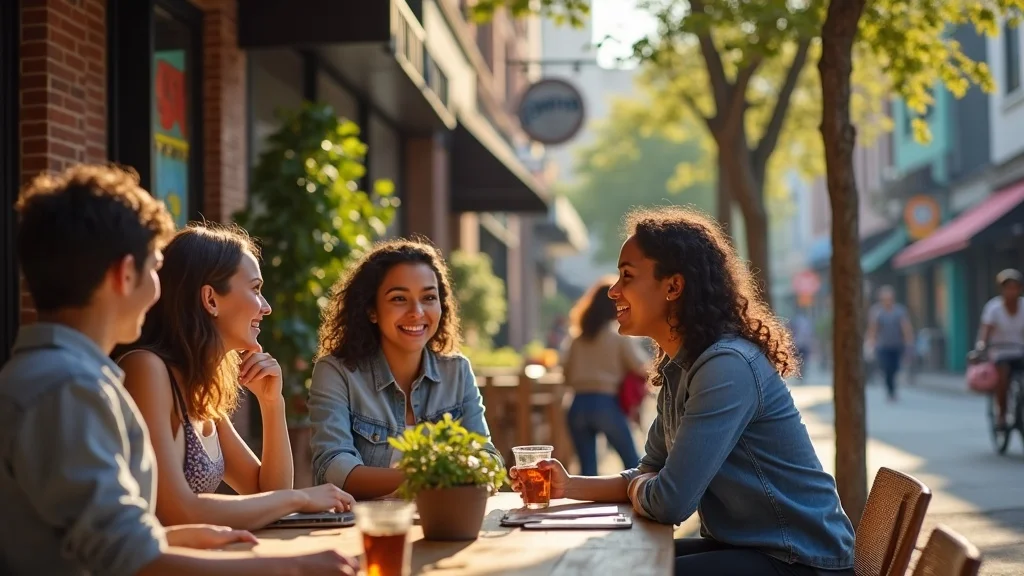
A Creative Transformation: Inside Atlanta’s Neighborhood-Driven Business Growth
"The rise of Atlanta business neighborhoods marks a break from the traditional downtown narrative. In these communities, business is less about square footage and more about creativity, culture, and connectivity."
Atlanta’s work culture has shifted dramatically in recent years. Entrepreneurs and freelancers are trading long main street commutes for neighborhood-based routines, and creative businesses are seeking out districts where hybrid work, walkability, and lifestyle intersect. Fast-growing startups, content producers, and agencies are skipping traditional office towers, opting instead for energetic gathering spaces, think open coworking hubs, bustling coffee shops, and community patios, where ideas (and coffee) flow freely. Across these reimagined main streets and converted industrial corridors, the energy is palpable as Atlanta’s economic future feels closer to home, literally. Neighborhoods like West Midtown, Old Fourth Ward, and areas east of downtown are leading a new chapter for Atlanta’s business ecosystem, one that’s defined more by creative collisions on sidewalks than by square feet leased in corporate towers.
How Atlanta’s Work Culture Shifted to Neighborhoods
From main street office commutes to local creative hubs
Hybrid work, walkability, and lifestyle-driven choices
Visible impact on Atlanta entrepreneur routines
Work culture in Atlanta isn’t what it used to be. With the rise of remote and hybrid work, professionals are no longer tied to skyscrapers in the central business district or downtown Atlanta. Instead, people gather in walkable neighborhoods, where the vibe is less about rigid business hours and more about community energy. Weekday mornings now often begin in a sunlit café, laptops open, beltline views outside. Atlanta entrepreneur routines have evolved: meetings spill out from coworking spaces into patios, brainstorms happen on mural-lined sidewalks, and introductions are made over shared tables. Walkability and neighborhood amenities are no longer extras—they’re essential criteria that drive where companies and freelancers put down roots. This new normal gives rise to a more creative, collaborative, and lifestyle-oriented version of Atlanta’s startup culture, making each neighborhood’s character a key part of business identity.
West Midtown’s Rise as the Creative Business Hub for Atlanta Entrepreneurs
If there’s one place that embodies Atlanta’s creative resurgence, it’s West Midtown. Once a gritty industrial corridor north of downtown, West Midtown today pulses with innovation. Its well-known adaptive reuse buildings, brick warehouses turned modern loft offices and vibrant coworking spaces, offer a magnetic environment for startups, marketing agencies, design firms, and Atlanta creative businesses. What really sets West Midtown apart is the seamless blend of work and play. By day, professionals gather around communal tables in coffee shops; by night, they network at local breweries and art events. Here, every block feels alive with entrepreneurial possibility, thanks to proximity to Georgia Tech, walkable side streets, and the contagious enthusiasm that springs from a community built for sharing ideas. This neighborhood’s profile ranks high among young professionals and founders who crave both opportunity and authenticity.
Why West Midtown Leads Atlanta Coworking Spaces and Creative Studios
Industrial-to-creative space transformation
Home to design firms, marketing agencies, and Atlanta creative businesses
Work-life mingles at main street coffee shops and restaurants
Networking events uniquely suited to startup culture
From its exposed-brick interiors to its bustling sidewalks, West Midtown offers an inviting landscape for Atlanta coworking spaces and creative studios seeking a home that is both practical and inspiring. Gone are the days of sterile office space measured in million square feet; instead, this district redefines what a commercial district can be. Flexible, open layouts cater to teams and solo freelancers alike, while street-level retail brings everyday life into the business mix. Atlanta entrepreneur meetups and Friday morning pitch sessions are almost as common as casual drop-ins for a main street espresso. It’s the kind of place where, as one local puts it, "You make more business connections waiting for your oat milk latte than in most office towers. Atlanta startup culture thrives on this block-by-block interaction. " So, whether you’re a digital agency, an ambitious tech founder, or an independent designer, West Midtown's vibe makes it easy to belong, and easy to build something new.

The Atlanta BeltLine: Shaping the Future of Atlanta Business Neighborhoods
If West Midtown is the creative core, the Atlanta BeltLine is the city’s connective tissue, driving the next wave of business growth. Once a network of disused railroads, the BeltLine now links dozens of neighborhoods by trails and parks, fueling constant movement, energy, and entrepreneurial overlap. Businesses vying for visibility find BeltLine proximity a game-changer: storefronts, studios, and coworking outposts pop up where foot traffic is heaviest, and public green spaces double as open-air meeting places. The BeltLine’s collaborative spirit is more than convenience, it’s a business magnet. Atlanta BeltLine businesses benefit not just from being seen but from being part of a real (and walkable) community, where a casual encounter on a morning jog could spark the next project or partnership. Across east of downtown and west end communities, founders, creators, and artists come together in daily, organic networking that feels unique to Atlanta.
How Atlanta BeltLine Businesses Spark Entrepreneurial Energy
BeltLine as a magnet for foot traffic and business clustering
From shared patios to outdoor meetings, collaborative space everywhere
Entrepreneurial communities crossing between Old Fourth Ward, West End, and Inman Park
The BeltLine’s role in Atlanta business neighborhoods is clear: it blurs boundaries between work, recreation, and community. Entrepreneurs co-host startup events on rooftops, strike up conversations along trails, and collaborate in patio gatherings that might, on other days, serve as impromptu workshops. Businesses benefit from immediate access to a vibrant commercial district, traffic is steady thanks to both locals and visitors, while the mix of retail, office space, and mixed-use developments breeds experimental, adaptable business models. In places like West End, Old Fourth Ward, and Inman Park, the BeltLine acts as a corridor for creative cross-pollination, launching new ventures and venturesome partnerships. Simply put, it’s a living laboratory for Atlanta’s growing creator economy, where working together feels as natural as walking the trail that connects you.
Old Fourth Ward: Fostering Atlanta’s Startup Ecosystem
For Atlanta’s startup influencers and innovation-fueled founders, Old Fourth Ward offers a rare blend of history, energy, and forward-thinking culture. Once the heart of Atlanta’s civil rights legacy, this neighborhood now draws tech talent, small agencies, and next-gen creators into mixed-use spaces within blocks of iconic Martin Luther King Jr. sites and Sweet Auburn’s historic main street. Startup teams here are just as likely to convene at a corner café as in a boardroom, a testament to the community-driven spirit that defines today’s Atlanta startup ecosystem. With easy access to beltline paths and proximity to Atlanta’s central business district, Old Fourth Ward seamlessly merges work, life, and play. The neighborhood’s walkability, steady calendar of events, and reputation for inclusive networking have made it a magnet for professionals who count community as valuable as office space.
Why Startups and Innovators Choose Old Fourth Ward as Their Atlanta Business Neighborhood
Startup-friendly culture and mixed-use office environments
Main street access to talent, events, and collaborations
Lifestyle dynamics: work, live, and play within blocks
What sets the Old Fourth Ward apart from other business districts is its environment of easy collaboration and urban rhythm. Entrepreneurs here choose this neighborhood for the connections, top Atlanta talent, frequent networking events, and a vibrant pool of investors, collaborators, and mentors. With everything from high-tech labs in converted warehouses to cozy, dog-friendly patios, startups can prototype and pivot without leaving their block. As one founder shares, "Most startups here value being within walking distance of other creative entrepreneurs, networking happens as much at Sweet Auburn café tables as in boardrooms. " The local culture prizes flexibility, encouragement, and the sense that anyone, from a founder to a freelancer, can find their people here. For Atlanta’s next wave of disruptive businesses, Old Fourth Ward represents more than a location, it’s the epicenter of authentic, community-powered innovation.
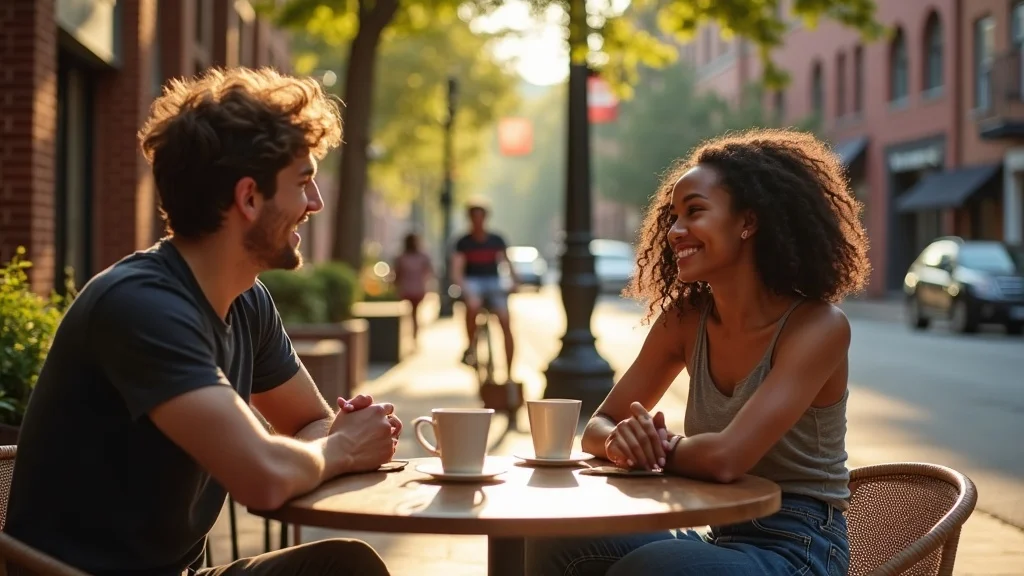
Downtown Atlanta Main Street: Tradition Meets Modern Entrepreneurialism
Though new business energy is unmistakable in neighborhoods across the city, Downtown Atlanta and its main street vibe still define much of Atlanta’s commercial district identity. Here, history and innovation stand side by side: landmark buildings, including those associated with Martin Luther King Jr. and the city’s civil rights legacy, offer a gravity and sense of place. But make no mistake, Downtown is more than its past. The district has reinvented itself with a wave of coworking spaces, transit-oriented developments, and local gathering spots flanked by Georgia State University and the Fox Theatre. This blend gives downtown a dynamic, ever-changing appeal, uniting established institutions, ambitious startups, and a diverse community of professionals. From underground Atlanta attractions to modern glass towers, the area’s main street traditions now coexist with the city’s most modern entrepreneurial ambitions.
The Balance of History and Atlanta Innovation Districts
Downtown Atlanta’s main street identity blends with new coworking spaces
Access to core transit and landmark venues
Home to established institutions and emerging creative businesses
What’s unique to downtown Atlanta’s central business district is the way it bridges Atlanta’s past and its future. While venerable business addresses, civil rights memorials, and state university halls lend gravitas, a new generation of creative businesses and coworking hubs now fills the area’s streets. Professionals benefit from unmatched MARTA transit station access, a rare perk in Atlanta, and proximity to government centers, legal offices, and entertainment venues like the Fox Theatre keeps business momentum steady. The constant interplay between tradition and innovation encourages both established companies and new startups to set up shop here, merging decades of Atlanta’s business wisdom with fresh, entrepreneurial spirit. In short, if you seek the drama of city life with a rich backstory (and easy transit to anywhere else), downtown still delivers.
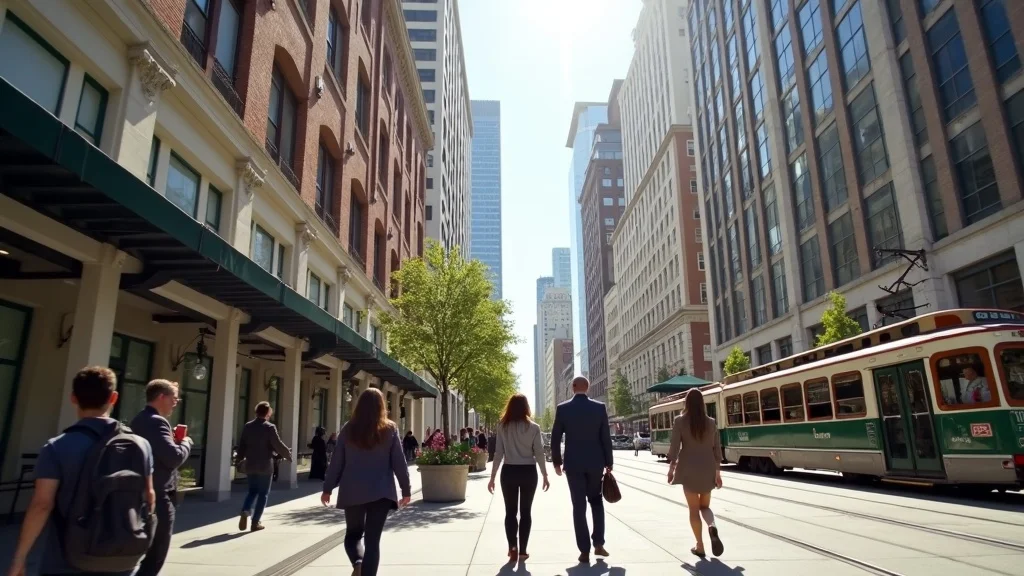
Midtown’s Structured Innovation: The Backbone of Atlanta’s Business Neighborhoods
A short ride north of downtown lies Midtown, the city’s most polished hub of innovation and structured business activity. This area combines the might of large employers and established institutions with the nimble thinking of Atlanta’s startup culture. With Georgia Tech anchoring the district, Midtown brims with research partnerships, university spinouts, and cross-disciplinary collaborations. Walk the area and you’ll find sleek office towers, global company outposts, networking lunches, and major industry meetups. The result? Midtown is the beating heart of Atlanta’s innovation districts, where visionaries looking for deep resources and robust connectivity find fertile ground. Access to MARTA transit stations, spacious coworking environments, and city-wide events makes Midtown ideal for professionals who want both corporate synergy and entrepreneurial freedom.
Where Atlanta Startup Culture Finds Corporate Synergy
Larger employers and university presence drive structured networking
Atlanta’s innovation districts blend with established business support
Transit hub advantage and access to professional coworking environments
What sets Midtown apart from other Atlanta business neighborhoods is its unique balance of corporate scale and startup agility. Large-scale enterprises create stability and offer valuable partnerships, while the area’s many coworking spaces, incubators, and professional networks give startups and freelancers room to grow. The close physical ties, often just a block or two apart, between universities, major employers, and independent ventures foster an environment of rapid knowledge transfer and genuine connection. Whether you’re an established business seeking downtown access or a fast-moving entrepreneur hoping to leverage institutional networks, Midtown’s infrastructure and bustling social scene create limitless opportunity for professional expansion. It’s this blend that cements Midtown’s status as the backbone of Atlanta’s business neighborhoods.
Eastside Neighborhoods: The Pulse of Atlanta’s Creator Economy
For those craving the less structured, freewheeling energy of Atlanta's creative scene, look no further than the Eastside neighborhoods, Inman Park, Reynoldstown, and Cabbagetown. Known for their leafy streets, colorful cottages, and easy BeltLine access, these close-knit communities have become lodestones for freelancers, artists, content creators, and independent consultants. These neighborhoods thrive on personality and proximity, where you’re just as likely to spot a digital artist editing video on a bench as you are to meet a designer sketching in a local café. Walkability, local business loyalty, and a playful atmosphere combine to give the Eastside its iconic, unmistakable pulse. Atlanta creator economy staples—pop-up shops, Friday art walks, impromptu jam sessions, keep community connections strong and keep the creative energy surging from project to project.
How Inman Park, Reynoldstown, and Cabbagetown Attract Atlanta Creative Businesses
Freelancers, artists, and independents thrive in walkable communities
Local support networks and distinct business personalities
BeltLine proximity channels creative energy and collaboration
What attracts independent-minded professionals to Atlanta’s east of downtown corridor? It’s the promise that you’ll never feel isolated in your ambition. These communities are engineered for cross-disciplinary mingling and creative serendipity. As one local puts it, "You can go from a video shoot in Reynoldstown to a design briefing on Cabbagetown patio, picking up collaborators along the way. " Businesses may be small in square feet, but they’re big in community spirit, populated by entrepreneurs who want a walkable, connected lifestyle. Close BeltLine proximity guarantees a steady stream of opportunities, while patios, courtyards, and community events ensure that, even in the most digital fields, face-to-face bonds anchor business growth. This is where Atlanta’s creator economy flourishes, defined by flexible hours, open minds, and constant innovation.
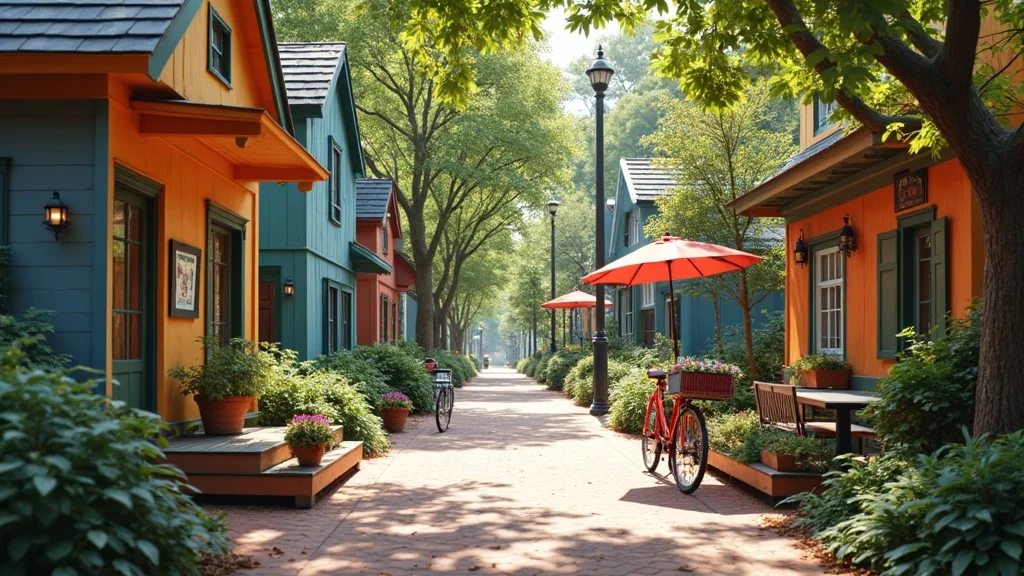
Key Ingredients: What Makes Atlanta Business Neighborhoods a Magnet for Entrepreneurs
Comparing Atlanta Business Neighborhoods by Walkability, Workspace Flexibility, and Creative Community |
|||
Neighborhood |
Walkability |
Workspace Flexibility |
Creative Community |
|---|---|---|---|
West Midtown |
High - main street and mixed-use |
Loft offices, studios, coworking |
Design, tech, start-up events |
BeltLine Districts |
Very High - trailside activity |
Cafés, patios, hybrid offices |
Pop-up shops, creative meetups |
Old Fourth Ward |
Great - concentrated blocks |
Shared offices, boardrooms, cafés |
Startup networking, hybrid events |
Downtown |
Moderate - some main street hubs |
Coworking, traditional office space |
Corporate, legal, civic, creative mix |
Midtown |
Medium - structured districts |
Corporate towers, coworking, labs |
Innovation districts, corporate/startup blend |
Eastside (Inman Park et al.) |
Excellent - local living |
Cafés, boutique studios, home offices |
Freelancers, artists, micro-agencies |
Coffee shop work culture and meeting rituals
Community-driven networking events
Walkability, housing proximity, and transportation access
"Choosing a business neighborhood in Atlanta is as much about lifestyle as opportunity, each community has its own creative cadence."
Across every Atlanta business neighborhood, one truth stands out: people choose where to work and create based on much more than just office space or square feet. Atlanta entrepreneurs, startups, and established professionals want neighborhoods that offer flexible workspace options, active coffee culture, robust networking opportunities, and easy access to transit or the BeltLine. Mixed-use developments allow for work-life overlap, and almost every district, whether West Midtown, Old Fourth Ward, or the Eastside, offers walkability and a shared commitment to community engagement. These ingredients turn neighborhoods into not just commercial districts but living, breathing creative ecosystems.
People Also Ask: Atlanta Business Neighborhoods
Where is the business district in Atlanta?
Atlanta's business district is traditionally centered in Downtown and Midtown Atlanta, but today, dynamic business growth is equally vibrant in neighborhoods such as West Midtown, Old Fourth Ward, and Eastside districts, reflecting a new decentralized approach to creative entrepreneurship.
The Future of Atlanta Business Neighborhoods: Community, Collaboration, and Creative Energy
Trend toward neighborhood-centric business ecosystems
Ongoing BeltLine development shaping new opportunities
Rise of mixed-use communities and daily entrepreneurial meetups
Atlanta business neighborhoods as living laboratories for the future of work
Looking ahead, it’s clear that Atlanta business neighborhoods will play an even bigger role in how the city innovates, collaborates, and grows. As new BeltLine segments open and mixed-use developments continue to blend home, work, and play, a fresh surge of creator-driven businesses, flexible work arrangements, and spontaneous networking events will become the new norm. Whether you’re a startup founder testing your first product, a freelancer searching for community, or a remote worker seeking that perfect blend of green space and strong Wi-Fi, Atlanta’s neighborhoods promise to evolve with your ambitions. Every main street, patio, and coworking hub stands as a living example of Atlanta’s future, one that’s rooted in people, place, and purposeful connection.
Key Takeaways on Atlanta Business Neighborhoods
Neighborhoods, not just office towers, are redefining Atlanta’s entrepreneurial success
Creative businesses thrive where lifestyle, community, and workspace converge
Atlanta’s most innovative business culture is found between BeltLine paths, main streets, and local patios
Frequently Asked Questions About Atlanta Business Neighborhoods
What are Atlanta business neighborhoods?
Atlanta business neighborhoods are lively, walkable districts like West Midtown, Old Fourth Ward, and Eastside, where work, community, and creativity intersect. They’re home to startups, freelancers, agencies, and creators seeking more than just office space, they want authentic connection and a strong local identity.Why are Atlanta entrepreneurs choosing neighborhoods over traditional downtown locations?
Entrepreneurs in Atlanta are opting for neighborhood-centered environments because they offer greater flexibility, stronger community ties, easier networking, and vibrant cultural experiences, features not always available in traditional downtown office towers.How does the Atlanta startup ecosystem benefit from these cultural shifts?
The shift to neighborhood-driven business zones enables rapid collaboration, creative cross-pollination, and more dynamic business support networks. This cultural transformation empowers Atlanta’s diverse creators and founders to thrive with resources and inspiration close at hand.
Find Your Creative Community
If you enjoyed this story, why not stay connected? Join Atlanta Local Unplugged on Facebook and YouTube for exclusive local information. @atlantalocalunplugged
The neighborhoods of Atlanta are the heartbeat of its new business future, where community, creativity, and collaboration shape entrepreneurial opportunity every day.




Write A Comment