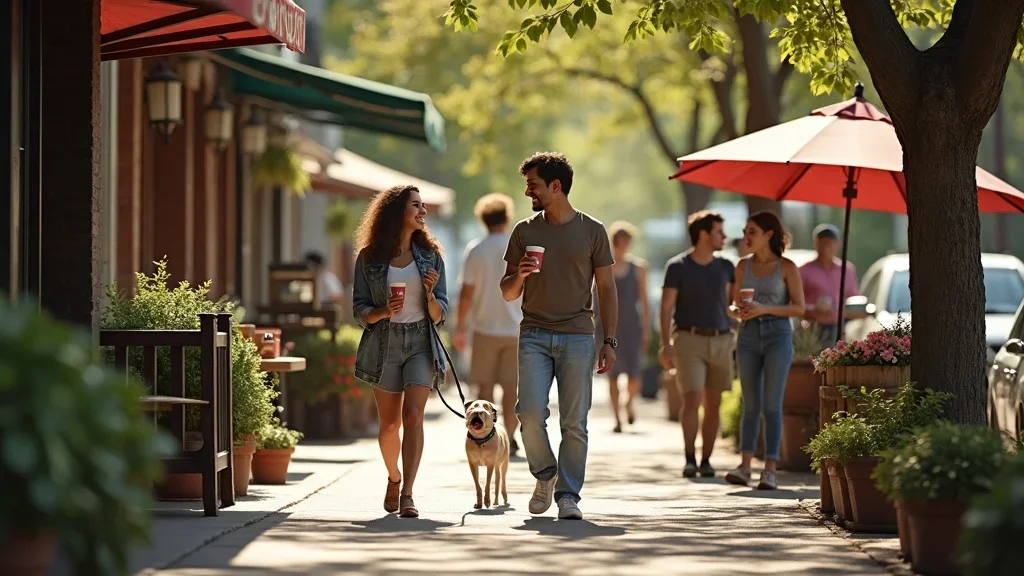
Weekends are for more than just lounging; they’re a chance to reconnect with joy and community. Exploring Atlanta's vibrant weekend activities not only refreshes your spirit but creates memorable experiences that make every moment away from the couch truly worth it. Forget the tired routine of hitting just the city’s best-known attractions, Atlanta’s weekends brim with moments that locals genuinely build their lives around. All across the metro Atlanta area, as Friday evening wanes, a gentle anticipation stirs: baristas prep for the early rush, shoppers wander open-air markets, and friends plan which corners of the city they’ll rediscover next. Whether you’re a longtime Atlantan or a newcomer craving your own slice of local tradition, this experience-driven guide will illuminate Atlanta weekend activities that reflect neighborhood personality, the rhythm of the seasons, and community spirit, not just a tired tourist checklist.How Atlanta Weekend Activities Shape the City’s Social RhythmAtlanta weekend activities aren’t just options on a list, they’re patterns woven into the city’s weekly pulse, shaping how communities gather, connect, and unwind. As the sun rises on Saturday, the sidewalks of neighborhoods from Inman Park to Virginia-Highland fill with residents seeking good coffee, local produce, and a friendly word with neighbors. Each part of Atlanta wakes up differently: some with the slow trickle of dog walkers and joggers past bakeries, others with the sudden burst of laughter over patio brunch.Weekends here are when Atlanta’s many personalities emerge most distinctly. Some neighborhoods savor a slow build, lingering over market stalls and watching morning routines unfold as kids and dogs amble by. Others burst to life with street musicians, sidewalk pop-ups, or lines for the first pour-over coffee. The flavor of each Saturday or Sunday isn’t just shaped by the calendar, it’s a dance between tradition, season, and local anticipation. A cold winter morning might bring Atlantan neighbors hustling for fresh bread and coffee indoors, while spring weekends see parks and patios overflowing. No matter the season, it’s these collective routines and spontaneous moments that transform Atlanta weekend activities into the heartbeat of local social life.Observing morning routines as markets open, coffee is poured, and sidewalks fillDifferent Atlanta neighborhoods build anticipation for Atlanta weekend activities in their own stylesSeasonality, weather, and tradition each influence the weekend moodWeekend Markets and Outdoor Gathering Places as Atlanta Weekend ActivitiesFarmers Markets and Ponce City Market: Atlantan Traditions in ActionFor many Atlantans, weekends kick off not in their living rooms, but under canopies at farmers markets or shaded paths of bustling gathering places. The Freedom Farmers Market is a Saturday morning staple, where early arrivals catch the best greens, sourdough, and local honey, often alongside four-legged friends, as dog-friendly zones abound. Meanwhile, the colossal Atlanta State Farmers Market draws visitors from across metro Atlanta, blending vendor diversity and seasonal finds with the accessibility of a suburban setting.Neighborhood pop-ups and artisan markets, sometimes nestled outside older church parking lots or emerging through word-of-mouth, add fresh layers of discovery each weekend. These are places where neighbors greet each other, kids dart between food stalls, and the city’s deep agricultural heritage feels palpably close. In the heart of the city, Piedmont Park and Historic Fourth Ward Park are magnets for weekend gatherings, more community crossroads than traditional shopping spots.Freedom Farmers Market: Early arrivals, local produce, dog-friendly zonesAtlanta State Farmers Market: Vendor diversity, seasonal finds, and accessNeighborhood pop-ups and artisan markets: Discovering unique craftsPiedmont Park weekend gatherings and Historic Fourth Ward Park as open-air meeting spotsTips on parking, walking, and arrival times for optimal Atlanta weekend activitiesHow spring, summer, and holidays change the market sceneThe key to thriving in these Atlanta weekend activities? Arrive early for the best picks, relax about parking (or take MARTA if you can), and keep your plans flexible as seasonal crowds ebb and flow. Spring and summer bring bursts of color and a wider selection of fruit, while holidays usher in special pop-ups and extra community events. For families, these spaces offer plenty of safe, open ground for little ones (and pets) to roam. Metro Atlanta’s weekend markets and parks aren't simply places to get your groceries, they’re where the week’s conversations and community connections come alive.Atlanta’s Neighborhoods Come Alive Through Weekend ActivitiesFrom Virginia-Highland Patios to Inman Park Strolls: Contrasts of Atlanta Weekend ActivitiesEach Atlanta neighborhood expresses its weekend identity in remarkably distinct ways. In Virginia-Highland, the aroma of early morning coffee mixes with laughter from sidewalk patios, where groups gather to share news before embarking on a fun day of browsing shops. Patios fill quickly, and you might spot families, solo readers, and friend groups all staking out their favorite tables. This deeply ingrained coffee culture turns a simple Saturday into a social tradition.Nearby Midtown and the Old Fourth Ward are energized by sidewalk sales and the upbeat rhythms of impromptu live music. Street corners host local vendors, specialty shops set out racks and tables, and you’re likely to hear everything from jazz saxophones to upbeat pop as the morning gives way to afternoon. West Midtown and Buckhead Village lean into boutique browsing and Saturday brunch on stylish outdoor terraces, where Atlanta’s dining scene mixes seamlessly with people-watching and fashion.Virginia-Highland: Lively patios and morning coffee cultureMidtown & Old Fourth Ward: Sidewalk sales, live music, and street energyWest Midtown & Buckhead Village: Boutique browsing, Saturday brunch, outdoor terracesDecatur & Little Five Points: Creative shops, local festivals, and neighborhood eventsWalking, people-watching, and neighborhood personality encoded in Atlanta weekend activitiesOver in Decatur and Little Five Points, artistic flair shines through creative storefronts, spontaneous festivals, and neighborhood celebrations, mixing Atlanta’s rich counterculture with welcoming, walkable streets. People-watching becomes an event in itself, as visitors and locals enjoy neighborhood personality on full display. These contrasts underscore one of the best parts of Atlanta weekend activities: you don’t need to fill a checklist or drive far to find something new, just wander into a different zip code and let each community’s pace and tradition lead the way.Seasonal Festivals and Community Events Drive Atlanta Weekend ActivitiesHow Atlantan Calendars Fill with Festivals and Local TraditionsAs the seasons change, so do Atlanta weekend activities, often dictated by a packed calendar of beloved festivals, community celebrations, and distinctive local events. The return of events like the Music Midtown, Atlanta Dogwood Festival, and Grant Park Summer Shade Festival signals more than just an annual tradition: they’re magnets that draw friends and families from across metro Atlanta together for moments of music, art, food, and fun day celebrations. Atlanta’s holiday markets and art fairs, meanwhile, bring whole neighborhoods out for unique shopping, homemade eats, and a sense of seasonal togetherness.Families gravitate toward open park events, kids’ crafts, and food trucks, while couples and groups of friends may plan their weekend fun around concerts or themed night markets. Knowing what works for your crew, whether splash pads for little ones at Brook Run Park or evening jazz in District Atlanta, makes all the difference. For many, planning an Atlanta weekend means plotting a route through at least one signature event. Of course, it pays to expect crowds, prepare for shifting weather, and consider MARTA, rideshare, or even bikes for stress-free arrivals (especially when parking tightens up near festival grounds).Music Midtown, Atlanta Dogwood Festival, Grant Park Summer Shade among popular Atlanta eventsHoliday markets and art fairs: Community celebrations, local shopping, unique eatsCrowd patterns, weather prep, and transit advice for major Atlanta weekend activitiesMatching the right events in Atlanta to families, couples, or friend groupsNeighborhoods’ unique twists on annual Atlanta festivals and eventsRather than being just items on a calendar, Atlanta events are woven into the fabric of the city. Neighborhoods put their own spin on annual festivals, and whether you’re seeking family fun at a creative workshop, browsing Atlanta’s best art vendors, or watching fireworks on Fourth of July, you’ll find a sense of belonging unique to each gathering. Year after year, these seasonal programs shape how locals make the most of their weekends, often looking forward to them long before they arrive.Outdoor Adventures Anchor Atlanta Weekend ActivitiesThe BeltLine, Piedmont Park, and Urban Trails as Active DestinationsFor many, Atlanta weekend activities wouldn’t be complete without time outdoors. The Atlanta BeltLine Eastside Trail hums with a steady stream of joggers, cyclists, dog-walkers, and patio strollers weaving past colorful murals and thriving pop-up attractions. It’s here that the city’s love for blending urban energy with greenspace is visible at every turn. Stops along the trail offer opportunities not only to exercise but to connect with others, whether it’s grabbing a seat on a sunny patio or pausing for a photo with friends in front of street art.Major parks like Piedmont Park and Grant Park buzz with weekend games, fitness classes, outdoor gatherings, and family picnics. Meanwhile, urban escapes like the Chattahoochee River National Recreation Area offer a surprising variety of riverside adventures, kayaking, or bird-spotting within city boundaries. For something uniquely Atlanta, weekenders can enjoy a stroll through Historic Oakland Cemetery, mixing self-guided history tours with some of the city’s best-ever photo opportunities. Outdoor plans often begin with a brisk morning walk and morph into an afternoon picnic, shaped by the season’s comfort and shifting crowd patterns.Atlanta BeltLine Eastside Trail: Walking, cycling, people-watching, and patio snackingPiedmont Park and Grant Park for group activities and casual gatheringsChattahoochee River National Recreation Area for riverside adventures within the cityHistoric Oakland Cemetery: Self-guided tours, photo ops, and storytellingHow Atlanta weekend activities shift from morning runs to afternoon picnicsAdvice on parking, crowds, and planning for Atlanta outdoor activitiesWith active options spanning from the slickest cycling routes to casual family fun at splash pads and park playgrounds, Atlanta’s outdoor scene rewards early arrivals. Popular trails fill up fast, and parking can be a challenge, especially on sunny days, so plan ahead or opt for rideshare when possible. And while the city’s landscape is undeniably urban, these outdoor escapes ensure that Atlanta weekend activities always have room for a fresh breeze, wide-open green space, and a new memory-in-the-making just around the bend.Dining, Brunch, and Food Traditions: The Heart of Atlanta Weekend ActivitiesHow Food Halls, Patios, and Bakeries Fuel Weekend SocializingIn Atlanta, the table is where weekends truly come alive. Food halls like Ponce City Market, Krog Street Market, and The Works become central meeting spots for brunches, coffee runs, and family reunions, each offering a tapestry of artisan vendors beneath industrial-chic roofs, and flavors that appeal to every age group. Hungry crowds gather at communal tables, children dart between dessert stalls, and there’s always a search for the ideal cup of locally roasted coffee before an afternoon adventure.Atlanta weekend activities often orbit around the tradition of brunch, where friends linger over biscuits or rooftop mimosas. Whether you’re savoring a relaxed meal on a sunny patio or planning a group lunch before Atlanta events and afternoon park walks, food shapes the rhythm of the day. Longtime residents know to book patio reservations early and arrive ahead of Sunday’s brunch rush, where wait times can be steep, but the people-watching is unrivaled. Bakeries double as social stops for morning pastries, while new pop-ups in neighborhoods like West Midtown and the Westside Provisions District create ever-changing culinary opportunities.Ponce City Market, Krog Street Market, and The Works as gathering spots for all agesAtlanta’s brunch culture and rooftop dining as core weekend activitiesBakery strolls and coffee stops on the way to weekend adventuresPatio and group dining strategies: Reservations, wait times, and best hours for Atlanta weekend activitiesIntegrating food into plans for Atlanta events and outdoor daysIntegrating food into every plan is a hallmark of Atlanta weekend activities. Whether fueling up before a BeltLine walk, winding down after a fun day exploring shops, or gathering the family ahead of an outdoor concert, Atlanta’s dining traditions mean a good meal is always just part of the journey.Evening Atlanta Weekend Activities: Music, Comedy, and Night MarketsAfter-Dark Experiences in District Atlanta and BeyondAs the sun sets, Atlanta weekend activities transform, drawing people out for live music, rooftop laughter, and new discoveries in the city’s nightlife districts. Favorite venues and seasonal outdoor concerts fill with music lovers, while District Atlanta becomes a focal point for evening fun, hosting everything from jazz bands to upbeat DJ sets. The variety is distinctly Atlanta: comedy clubs, rooftop lounges with skyline views, open-air theater, and local sporting events all compete for attention as night markets and festivals set up in bustling neighborhoods.Planning a full Atlanta evening means thinking ahead, parking and rideshare convenience, knowing peak crowd periods, and sometimes plotting a route that links a live show, a food truck lineup, and a nightcap with friends under the stars. Popular areas often buzz well into the night, and those in the know combine several activities for a memorable experience: catch an early comedy set, wander through a night market, and finish on a rooftop with city lights as your backdrop. Atlanta’s after-dark scene makes sure no weekend has to end with dinner.Live music venues and seasonal outdoor concerts: Local favorites, what to expectComedy clubs, rooftop lounges, and theater options for every tasteSporting events, night markets, and evening festivals as signature events in AtlantaTips for parking, rideshare, and planning full Atlanta eveningsCombining multiple Atlanta weekend activities for a memorable night outBuilding the Perfect Atlanta Weekend Through Personal CuriosityHow to Mix, Match, and Discover the Best Atlanta Weekend ActivitiesThe best Atlanta weekends are rarely scripted start to finish. Instead, they’re built by mixing classic favorites, like a morning market stroll or coffee walk, with the thrill of discovering something unexpected in a new neighborhood. Start your day by picking up fresh pastries in Decatur, then wander into Inman Park for sidewalk energy and boutique shops. Or combine a BeltLine adventure with patio lunch, wrapping up the day at a different city festival or outdoor concert.It pays to leave space for surprise, some of the most rewarding Atlanta weekend activities happen by chance. Maybe a street performer draws you in, or a neighborhood pop-up leads to a new favorite shop. Atlantan locals know the pleasure of returning to once-familiar routes only to discover that each visit (and each season) brings new food stalls, music sets, or community traditions. Ultimately, exploring many Atlanta neighborhoods and pairing outdoor fun with dining or art events year-round means there’s always something worth coming back for.Start with a morning market or quiet neighborhood coffee walkExplore a new neighborhood for street-side energy and local discoveriesWeave in a food adventure: Atlanta brunch or patio lunchClose with Atlanta live music or a sunset rooftop gatheringLeave room for surprise, Atlanta’s best moments often come as unplanned Atlanta weekend activitiesReturn to new neighborhoods and festivals through the seasons for a changing Atlanta experienceWhat Are Some Unique Atlanta Weekend Activities?How do locals find out about hidden Atlanta events and experiences?Insider tips: Neighborhood social media groups, local newsletters, and word-of-mouth play a huge role in uncovering low-key happenings and pop-up events. Most unique Atlanta weekend activities are discovered thanks to local connections and well-timed recommendations from friends in the know.What are the best Atlanta weekend activities for families?Outdoor markets, splash pads, farmers markets, seasonal festivals, and open park spaces like Brook Run and Piedmont Park always offer diverse, relaxed experiences for all ages. Family fun in Atlanta is easy to find when weekend plans are centered on open-air gathering spots, local events, and Atlanta’s nature-friendly public spaces.How do Atlanta brunch and food traditions influence weekend plans?In Atlanta, brunch is a celebration, often becoming the centerpiece for weekend gatherings with friends or family, woven into plans for festivals, walks, or shopping in vibrant neighborhoods. From trendy food halls to hidden-in-plain-sight bakeries, Atlanta weekend activities naturally revolve around sharing great meals.Why are Atlanta’s seasonal events such a major part of weekend culture?Seasonal Atlanta festivals, markets, and community gatherings reflect both the city’s diverse roots and neighborhood traditions, shaping weekend routines year-round. These Atlanta events invite everyone, locals and visitors alike, to join in experiences that change with each season, making every visit unique.If you enjoyed this article, why not stay connected? Join Atlanta Local Unplugged on Facebook, Instagram, and YouTube for exclusive local information. @atlantalocalunplugged





Write A Comment