

Picture this: You stroll past a vibrant mural tucked quietly behind a corner coffee shop, the laughter of locals blends with aromas from a weekend market, and neighbors wave from porch swings as you wander tree-lined streets. In Atlanta, the stories locals tell and the places they savor often unfold in these everyday moments, not at the crowded tourist hotspots. If you’re ready to shed the checklist and discover authentic Atlanta, this guide will show you how to uncover experiences and places that locals cherish, but most visitors overlook.
What You’ll Learn About Hidden Gems Atlanta
How neighborhood exploration reveals Atlanta's character
Why locals treasure certain green spaces, markets, and public art
Actionable tips for exploring Atlanta like a resident, not a tourist
Why Some of Atlanta’s Best Experiences Stay Off Most Visitor Lists
Atlanta’s sprawling design and rich patchwork of neighborhoods create endless opportunities for discovery. Yet, many visitors circle the same handful of well-publicized landmarks, downtown sports arenas, famous film locations, and corporate attractions, missing the quieter, life-filled lanes where Atlanta’s real magic thrives. To understand what makes this city unique, you have to move beyond the tourist corridor and explore Atlanta piece by piece, neighborhood by neighborhood. Each area displays distinctive flair, shaped by history, architecture, long-standing businesses, and community events.
Locals know where to find privacy in urban green space, which food halls pulse with true community energy, and which murals mark changing neighborhood identities. These hidden corners offer a more personal and memorable encounter with Atlanta. By stepping beyond the city’s mainstream drawcards, you’ll find that blending urban adventure and Southern hospitality is second nature, and each visit can reveal something new and unexpected.
Explore Atlanta’s Diversity: Neighborhoods and Hidden Gem Culture
Atlanta isn’t one city, it’s dozens of overlapping communities, each with its own sense of place. From the historic homes of Grant Park and the artsy vibes of Cabbagetown to the vibrant international eateries of Buford Highway, locals build rhythms around local businesses and gathering spots. That “hidden gem” feel isn’t a marketing myth; it’s rooted in discovering cozy burger joints, Chinatown food courts, and leafy sidewalks just blocks from main roads. The city’s diversity ensures every walk, bike ride, or afternoon drive introduces new perspectives and local favorites.
The Tourist Corridor: Where Visitors Cluster, and What They Miss
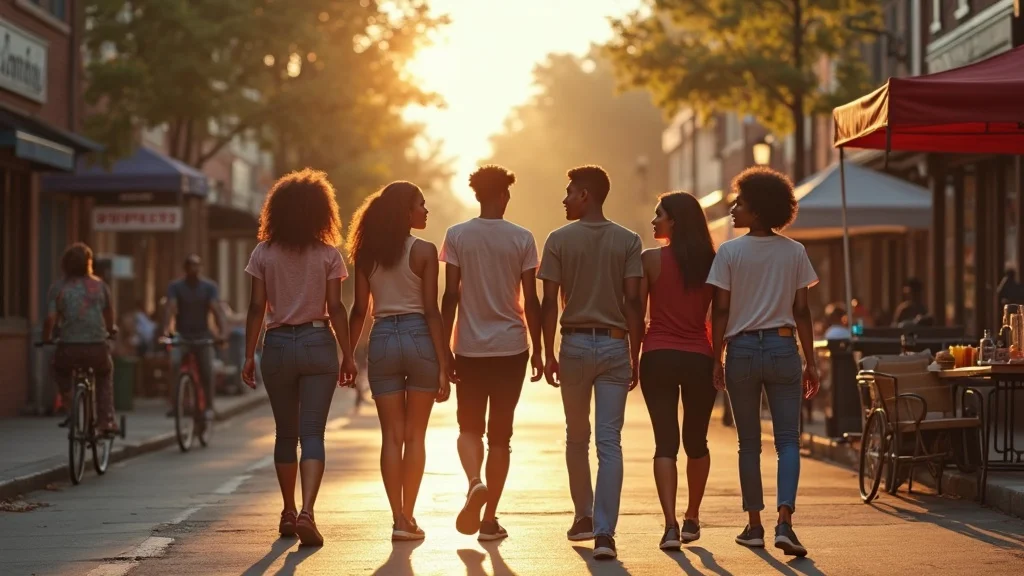
The heaviest foot traffic in Atlanta hovers around major venues like Centennial Olympic Park and museums downtown. While these spots are worth a visit, they only hint at the city’s deeper energy. Most visitors move briskly between attractions on Peachtree Street or stick close to the BeltLine’s busiest sections. By doing so, they miss experiencing how neighborhoods shift within a few blocks, how a bustling food court, a backyard garden bar, or an independent bookstore fills with regulars and friends. The most authentic experiences blend into the background for those who aren’t curious enough to wander.
How Neighborhood Personality and Public Art Give the City Its Charm
What brings Atlanta’s local character to life is not simply location, but personality. Neighborhoods here are living canvases. Bright murals, pop-up galleries, and whimsical art installations add character to walls, sidewalks, and alleys. Long-time residents leave their mark by supporting local businesses, maintaining community gardens, and organizing seasonal festivals. These public expressions give each district signature flair. In this way, the charm of Atlanta emerges in the moments you slow down, stopping to snap a mural, joining a porch concert, or swapping stories at an art market.
“Atlanta rewards those willing to wander beyond the obvious; the city keeps its best secrets tucked into local routines.” – Atlanta Local Unplugged
The Atlanta BeltLine Sections Many Miss: Uncovering Hidden Gems Atlanta
Beyond the Eastside Trail: Alternative BeltLine Routes to Explore Atlanta
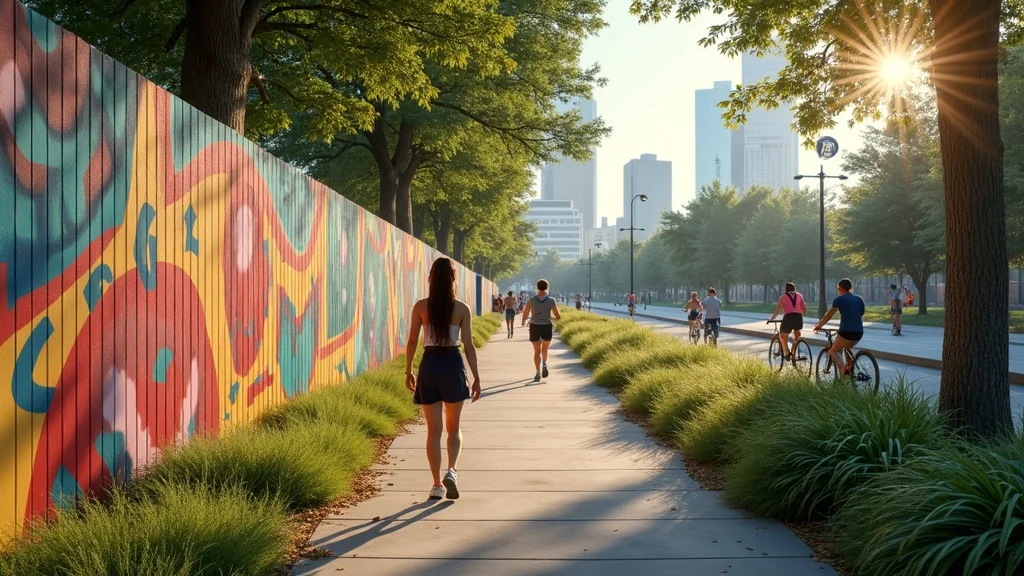
When most people think of the BeltLine Trail, they picture the crowded Eastside stretch connecting Ponce City Market, Inman Park, and Old Fourth Ward. However, the BeltLine’s quieter sections are where its local magic truly shines. The Westside, Northside, and Southside trails unravel through old warehouses, community gardens, and up-and-coming neighborhoods. Along these paths, it’s common to see neighbors pausing to chat, bikers gliding past colorful walls, and unexpected shops popping up in renovated industrial spaces. Exploring these alternate routes unlocks hidden parks, unique public art, and quieter entry points into Atlanta’s creative pulse.
Unexpected Public Art and Neighborhood Transitions Off the Main Path
As you leave the hustle of the main BeltLine, each turn reveals new stories, massive murals, sculpture gardens, and unexpected art installations tucked into underpasses and parks. Neighborhoods blend seamlessly as the scenery shifts from urban grit to leafy backyards. The transition between zones is both visual and cultural, introducing you to tucked-away cafes, spontaneous gatherings, and art that documents local voices. These spaces also invite you to linger, reflection encouraged by wide sidewalks and the sounds of the city at play, creating some of Atlanta’s most photogenic and unique moments.
Local Walking Habits and Time-of-Day Differences on the BeltLine
Early morning on the BeltLine belongs to walkers, joggers, and parents with strollers seeking peace before the crowds descend. As the day warms, you’ll notice a steady shift: locals drop by markets, artists set up for pop-up shows, and food trucks begin serving their neighborhood regulars. By dusk, evening dog walkers and cyclists reclaim the trail, and the city’s skyline takes on a golden glow. Residents know which stretches are best for a quiet sunrise stroll and which fill with weekend energy. Timing your BeltLine adventure not only impacts the atmosphere but shapes your interaction with the local side of Atlanta.
Hidden Gems Atlanta BeltLine Segments: Local vs. Tourist Usage |
||
Segment |
Who Uses It Most |
Signature Appeal |
|---|---|---|
Eastside Trail |
Tourists & weekenders |
Food halls, events, lively crowds |
Westside Trail |
Locals, neighborhood groups |
Industrial roots, art, quiet parks |
Northside Trail |
Families, joggers, dog walkers |
Shady woods, creekside paths |
Southside Trail |
Artists, urban explorers |
Mural clusters, market pop-ups |
Historic Neighborhoods Where Atlanta Feels More Personal
Hidden Gems Atlanta: Residential Architecture and Streetscapes
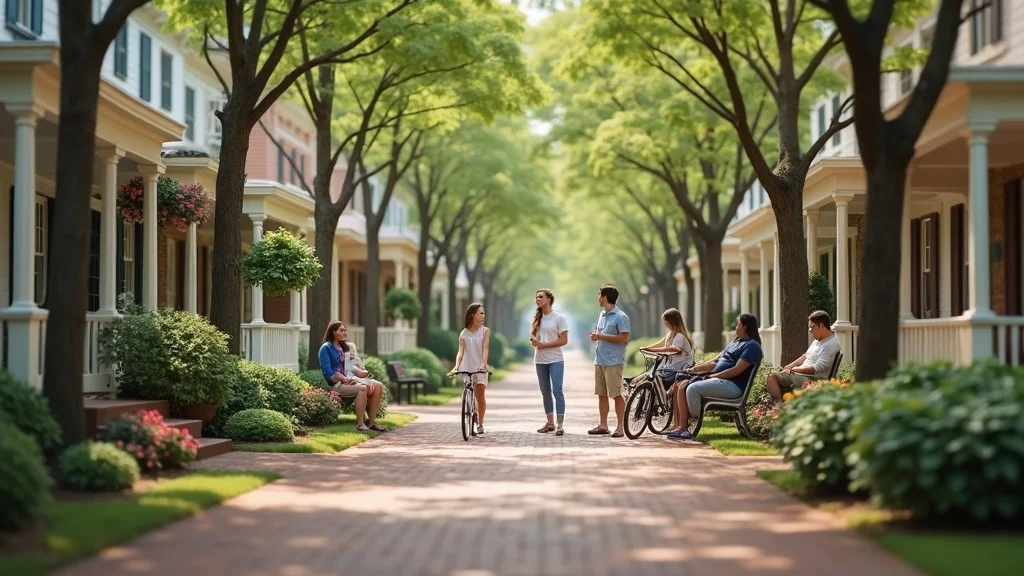
Beyond Downtown’s bustle, Atlanta’s history is etched into neighborhoods like Inman Park, Kirkwood, and Candler Park. Here, every street unveils something singular: ornate Victorian mansions, classic Craftsman bungalows with spacious porches, and gardens blossoming beside bicycle racks. Locals treat their front steps as neighborhood “living rooms,” sharing stories over sweet tea or waving to passersby. The feel is neighborly and slow-paced, with urban Atlanta’s energy blending seamlessly into small-town comfort. It’s the ideal setting for a contemplative stroll or a weekend photo walk, where every block tells a piece of Atlanta’s evolving narrative.
Independent Businesses and Walking Routes for True Local Flavor
Local businesses are the heartbeat of Atlanta’s most beloved neighborhoods. Instead of chains, you’ll find quirky bookstores, one-of-a-kind burger joints, stylish coffee bars, and vibrant markets springing up in repurposed storefronts. To experience the city’s authentic vibe, trace the walking routes that residents follow: from a morning pastry at a cafe to a hidden-menu treat at a tucked-away restaurant, ending with a sunset view from a leafy park. These paths reveal how Atlanta’s community gathers beyond commercial centers, by supporting small shops, sharing favorite walking routes, and inviting newcomers to discover their corner of the city.
Community Gathering Spaces and Seasonal Neighborhood Activities
Atlanta’s green spaces serve as more than just a break from city life, they’re hubs for concerts, garden tours, porch parties, and impromptu evening gatherings. Throughout spring and fall, neighborhood associations often organize porchfests, garden walks, movie nights, and live music right in residents’ yards. These events are under-the-radar but beloved, connecting people through shared traditions and a sense of place. If you’re hoping for a more genuine Atlanta experience, keep an eye out for seasonal festivals and local events posted on community boards, or simply follow the laughter and music echoing down those famous front porches.
“You learn about Atlanta by noticing the porches, the murals, the neighborhood coffee shops, these are the city’s real ‘living rooms.’”
Quiet Green Spaces Hidden Inside the City: Exploring Green Spaces and Nature
Lesser-Known Parks and Nature Preserves for Hidden Gems Atlanta
Many visitors never realize just how many peaceful retreats Atlanta holds. Options like Deepdene Park, Morningside Nature Preserve, and Cascade Springs Nature Preserve feel worlds away from the city’s rush. Local families picnic under tall trees, birdwatchers gather at dawn, and dog owners let their pups roam free on winding, semi-secret trails. These outdoor spaces provide sanctuary, a quiet alternative to busier recreation fields and playgrounds found in larger, well-known parks. By tracing these green spaces, you rediscover Atlanta as a city where nature is part of the daily rhythm and urban life blends gently with the environment.
Creekside Trails, Scenic Overlooks, and Birdwatching Opportunities
Creekside paths and boardwalks, like those at Doll’s Head Trail in Constitution Lakes Park, invite exploration by curious hikers, photographers, and wildlife enthusiasts. Scenic viewpoints abound along ridgelines in parks like Lionel Hampton-Beecher Hills Park, while beginners and seasoned birders alike stake out quiet spots by wetlands for a chance at spotting rare migratory birds. The sense of discovery in these places comes not from crowds, but from the gentle hush of nature and the occasional shared nod between those in the know. These moments are when Atlanta’s hidden side feels most profound, opening a new perspective on “urban Atlanta. ”
How Locals Use Hidden Green Spaces to Escape Crowds
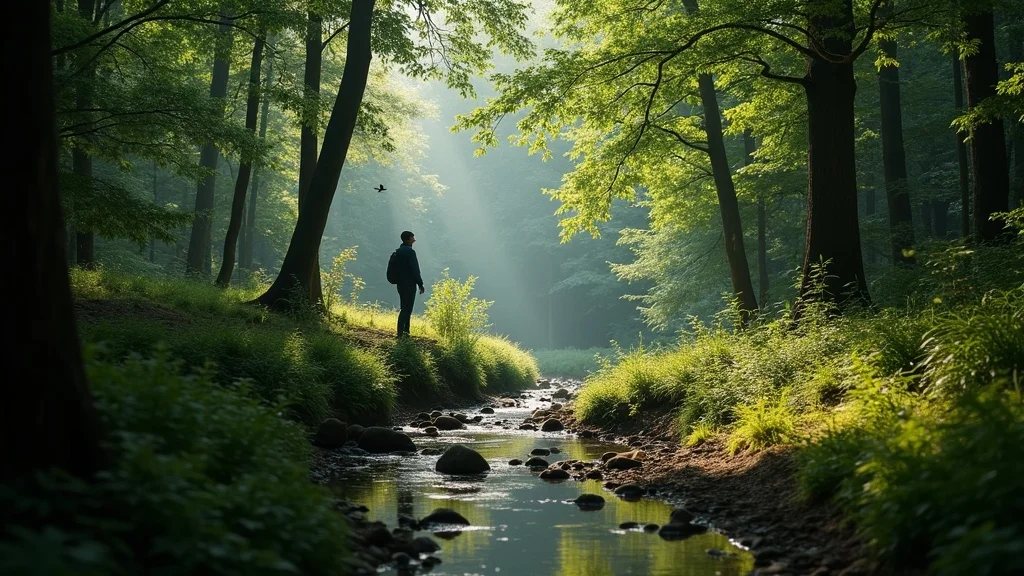
For many residents, serenity is as simple as a weekday walk through an empty botanical garden or a shaded nap on a blanket in a leafy side park. Unlike popular gathering spots, these lesser-known outdoor spaces are woven into local routines, places for reading, yoga, or simply recharging alone. Locals recommend exploring early morning, during weekday afternoons, or on cool evenings for optimal tranquility. The relaxed atmosphere is ideal for unwinding and sightseeing from a new angle, reminding you that Atlanta’s geography rewards those who seek subtle beauty over spectacle.
Small Museums, Historic Sites, and Cultural Spaces Worth Exploring
Hidden Gem Museums and Historic Sites with Deep Atlanta Roots
Atlanta’s most impactful museums are often housed in out-of-the-way buildings or run by passionate volunteers. The APEX Museum tells Black Atlanta’s story with rare artifacts and oral histories. The Wren’s Nest (home of Joel Chandler Harris) transports visitors to a literary past, while the Hammonds House Museum showcases African American art within a Victorian residence. Beyond these, you’ll uncover sites that honor Atlanta’s social and civil rights history, including community-led spaces focused on lesser-told stories. These museums aren’t overrun with tourists, which is exactly why locals visit and why each holds a unique slice of the city’s rich identity.
Community Culture: Oakland Cemetery, Neighborhood Centers, and More
For a glimpse into Atlanta’s culture and continuity, stroll the majestic Oakland Cemetery, a sprawling garden cemetery filled with sculpture, storytelling, and the city’s notable personalities. Neighborhood community centers, from historic fire stations to modern hubs in Edgewood, often host art classes, potlucks, and public events that are open to all. These gathering spaces are essential to the city’s social fiber, reflecting generations of effort and pride. The invitation here isn’t formal but heartfelt, whether you drop in on a walking tour or linger to join a potluck with new friends.
Botanical Garden and Intimate Spaces that Offer Local Context
The Atlanta Botanical Garden is not only a showpiece for rare plants and creative landscaping but also a place for day-to-day community. Locals favor its smaller, quieter sections, hidden corners, specialty gardens, and cozy benches ideal for reading or sketching. Intimate spaces like garden libraries and neighborhood greenhouses, often maintained by volunteers, provide a nuanced feel for how plant life and culture collaborate in this city. Each garden has a story: seasonal plantings, sculpture trails, or butterfly habitats, all connecting you with Atlanta’s organic side one peaceful visit at a time.
Neighborhood Markets and Local Gathering Spots: Discover Hidden Gems Atlanta
Exploring Farmers Markets and Artisan Gatherings
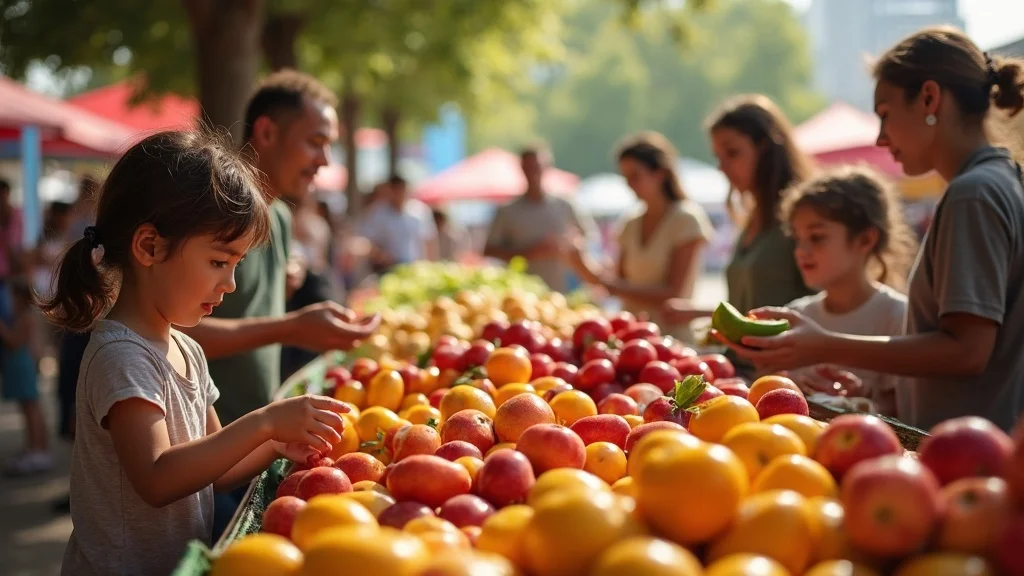
The heartbeat of neighborhood Atlanta thumps loudest at weekend farmers markets and pop-up artisan gatherings. Whether at the bustling Freedom Farmers Market, community stands in Grant Park, or smaller events deep in suburban neighborhoods, locals meet over just-picked produce, food trucks, and fresh pastries. These markets double as social scenes, where parents swap advice over coffee and kids sample baked goods. With rotating vendors, local musicians, and craftspeople displaying their work, each market feels both familiar and always a bit new. Ask about hidden menu favorites or seasonal specialties—you'll usually find a stall that locals line up for before the rest of the city arrives.
Food Halls and Weekend Routines in Atlanta Neighborhoods
Nothing showcases Atlanta’s diverse culinary scene like its food halls and neighborhood food courts. Spots like Krog Street Market and Municipal Market offer everything from international specialties, like Duck Confit and Chinatown food court noodles, to neighborhood bakeries and taco stands. Locals slip away from standard restaurant fare to visit long-loved burger joints and try the next trending dessert. The experience is about connection as much as cuisine, many Atlantans make weekly routines of wandering food halls, sending recommendations to friends, and chasing the city’s ever-changing culinary creativity. For an insider’s taste, ask about a hidden menu or local chef’s special.
Seasonal Festivals and Community Activities: Local Flavors Year-Round
You’ll find Atlanta’s neighborhoods pulsing with life all year, thanks to a rich calendar of seasonal festivals and local events. From fall’s porchfests and music crawls to spring’s street art walks and food tastings, these gatherings turn parks and blocks into vibrant meeting grounds. Residents eagerly await pop-up markets, summer movie nights, and cultural fairs that blend traditions from across the metro area. Check neighborhood social media for dates and updates on upcoming festivals, often, the best experiences are those that are unheralded, organized by neighbors, and designed for those who love the city’s true flavor.
Watch: Neighborhood Markets and Gathering Spots Reel (showing vibrant scenes at markets and local food halls)
Public Art, Murals, and Unexpected Visual Discoveries
Hidden Gems Atlanta: Exploring Art Districts and Street Art Corridors
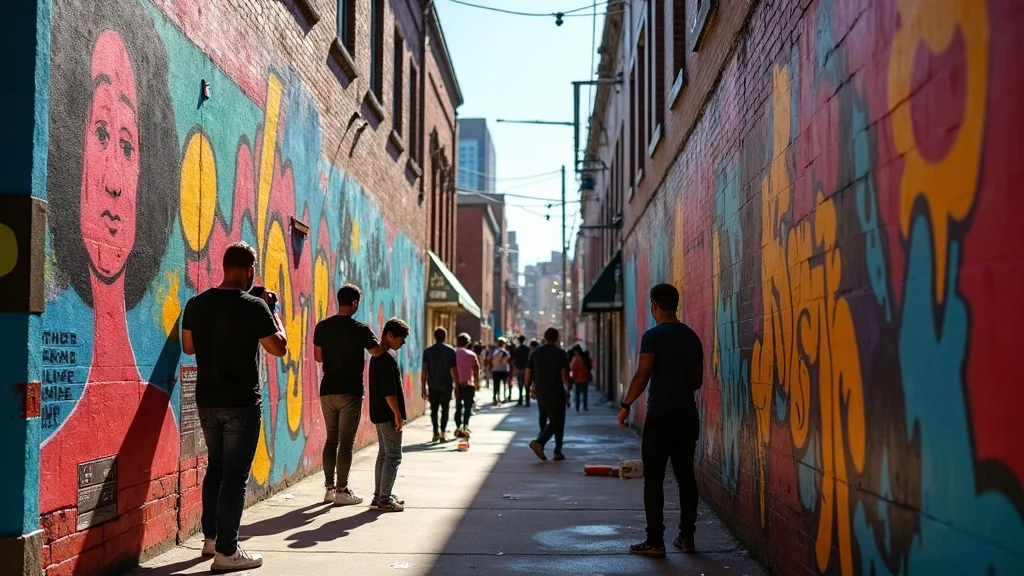
To explore Atlanta’s creative spark, carve time to wander art-laden corridors in Cabbagetown, Edgewood, and along the BeltLine’s evolving mural zones. Each neighborhood curates its own rotating collection of public art, with new collaborations springing up with each festival cycle. Groups of muralists transform alleys and bridge underpasses into open-air galleries, while pop-up art shows animate old storefronts. These immersive art scenes help define neighborhood identity, spark social conversations, and offer endless opportunities for photography, sketching, and inspiration. Atlanta’s art districts invite you to be a participant, not just an observer.
BeltLine Artwork and Changing Neighborhood Identity
Much of Atlanta’s creative renewal happens along the BeltLine, where new murals, sculptures, and installations spring to life every season. Artists from around the city use the BeltLine as a canvas, capturing local history or reflecting neighborhood transitions. With each new work, the trail not only becomes more beautiful but also richer in meaning, serving as both a visual diary and a community bulletin board. Regulars recommend exploring by foot or bike, revisiting favorite installations, and chatting with artists when you catch them at work. Expect surprises; the only constant is change.
Best Times for Public Art Photography and Exploration
Light, color, and crowd size greatly influence your public art adventure. Early morning and late afternoon offer dramatic sunlight and empty alleys, ideal for photographers and sketchers. During festivals or seasonal events, murals and installations often spring to life with performances and interactive workshops. Many locals time their routes around golden hour to catch the most expressive shadows and vivid colors. Evenings, when city lights flicker against new art, reveal a different layer of Atlanta’s soul, one made for wonder and discovery away from the tourist camera.
Overlooked Atlanta Experiences Locals Routinely Recommend
Scenic Drives, Sunset Viewpoints, and Neighborhood Walks
Sometimes the richest experiences come from something as simple as a drive down Peachtree Battle Avenue at dusk or walking up the hilly ridge in West End for a city sunset. Locals cherish favorite viewpoints, quiet garden corners, and winding back streets where changing seasons transform the scenery. These moments offer reprieve and inspiration, helping residents reconnect with what makes their city special. Look for unmarked trails, “secret” pocket parks, and neighborhood sidewalks alive with porch conversations—these routes are the unsung arteries of everyday Atlanta adventure.
Festival-Adjacent Finds, Local Traditions, and Unheralded Community Events
Seasonal festivals and local traditions fill the calendar, but it’s the little extras, artists’ open studios, pop-up markets, historic home tours—that define Atlanta’s living culture. Locals swap calendar tips, share event flyers, and invite newcomers into time-honored routines: pie bake-offs, porch concerts, and lantern parades. An authentic experience here often means joining in on community happenings, not just watching from the sidelines. These opportunities to participate are how Atlanta shares its most enduring charm.
-
Local-Recommended Hidden Gems Atlanta: 5 Experiences Not in Most Guides
Winding a bike through the Proctor Creek Greenway for waterfall views and art installations
Picnicking beneath massive oaks at Westview Cemetery far from tourist crowds
Sampling hidden menu treats at Decatur’s independent burger joints
Trailing neighborhood street art in Ormewood Park’s alleys
Browsing records and indie books at A Cappella Books after a market stroll
How to Explore Atlanta Like a Local Instead of a Tourist
Choose One Neighborhood at a Time: Walkability and Parking
If you want to experience Atlanta’s true pace, slow down and focus on exploring one neighborhood at a time. Each community has its own vibe, collection of shops, eateries, and public spaces. Parking can be tricky, especially in older districts, so check street parking rules and look for dedicated walking and biking routes where possible. Give yourself time to linger, meet locals, and notice the details that bring neighborhoods to life, from hidden gardens to independent cafe gatherings. The city rewards patience and the curiosity to look beyond the obvious.
MARTA Tips and Realities for Navigating Neighborhoods
Atlanta’s MARTA system is efficient for reaching major business districts and some urban neighborhoods. For true local exploration, focus on MARTA’s connections to neighborhood nodes, then walk or use shared bikes and scooters to get deeper into genuine community spaces. Don’t expect every “hidden gem” to be directly on a train line; sometimes the best discoveries come after a short walk or a friendly chat at a transit stop. Ask locals for route tips, many are happy to send recommendations for off-the-map experiences or unique neighborhood eateries.
Timing Your Adventure: Weekday vs. Weekend, Seasonal Strategies
The city reveals different faces depending on time and season. Weekdays are best for quiet urban parks, tranquil BeltLine walks, and coffee shop lingering. Weekends sparkle with markets, block parties, and bustling sidewalks. Seasonal change affects which green spaces bloom and when open-air events pop up, spring and fall are especially ripe for exploring street festivals, local traditions, and neighborhood art tours. If you want quiet, wake early or visit after dusk; if you want energy, time your visit to coincide with a seasonal event or popular gathering. Locals shape their routines around these rhythms, so should you.
Tables: Comparing Atlanta Hidden Gems by Type and Atmosphere
Hidden Gem Parks, Markets, and Art Spaces Side-by-Side |
||
Type |
Neighborhood Example |
Atmosphere |
|---|---|---|
Green Space |
Morningside Nature Preserve |
Shaded, tranquil, local walking trails |
Market |
Freedom Farmers Market |
Lively, community-centered, artisan vendors |
Public Art Corridor |
BeltLine Southside Trail |
Urban, colorful, art installations, mural walks |
Historic Site |
Wren’s Nest |
Personal, story-driven, literary legacy |
Food Hall |
Municipal Market |
Eclectic, diverse, hidden menu finds |
What are some hidden gems in Atlanta that locals love?
Locals cherish tucked-away green spaces such as Deepdene Park and fun finds like the Doll’s Head Trail, alongside bustling neighborhood markets and quirky cafes in spots like Candler Park and Grant Park. Cozy burger joints, cozy food courts, creative pop-up art shows, and community gardens are favorites. Many Atlantans gravitate toward places where they can slow down, bump into neighbors, and feel the uniqueness of each neighborhood, far from typical tourist crowds.
Where can you find quiet green spaces in Atlanta?
Quiet green spaces exist throughout the city’s neighborhoods, hidden parks like Cascade Springs Nature Preserve or the peaceful trails of Morningside and Deepdene Park offer relaxing escapes. For creekside experiences and birdwatching, try Constitution Lakes Park or Lionel Hampton-Beecher Hills Park. These green spaces are woven into local daily life, providing natural beauty without the busyness of the more famous Atlanta parks.
How is the Atlanta BeltLine different from typical tourist spots?
The Atlanta BeltLine is both an outdoor recreation trail and an open-air gallery, but its less-traveled sections are where you’ll meet residents and see evolving public art in action. Unlike traditional attractions that crowd with tourists, the BeltLine transforms with each block, offering quiet pockets, shaded green zones, and unexpected community happenings. This blend of urban development and local habits makes the BeltLine wholly unique in Metro Atlanta.
Which markets and events showcase real Atlanta neighborhoods?
Farmers markets like Freedom Farmers Market, East Atlanta Village Farmers Market, and West End’s pop-up artisan fairs give a taste of genuine local community. Food halls such as Krog Street Market highlight neighborhood flavors, while seasonal festivals and porch parties bring together residents for celebrations, music, and spontaneous gatherings that aren’t found in most travel guides.
Are there unique museums that most Atlanta visitors miss?
Absolutely, unique sites like the APEX Museum, Hammonds House Museum, and the intimate Wren’s Nest showcase stories not told in larger institutions. These spaces, along with historic cemeteries and community cultural centers, are woven into the neighborhoods and provide deeper, more personal context to Atlanta’s diverse history and creative present.
FAQs About Hidden Gems Atlanta
What defines a hidden gem in Atlanta?
A hidden gem is a place or experience that locals love but that flies under the radar for most tourists. It’s about authentic character, neighborhood flavor, and the kind of atmosphere that feels personal rather than packaged.How can visitors explore Atlanta like a local?
Focus on one neighborhood at a time, use local walking routes, seek out independent businesses, and ask residents for food and art recommendations. Time your visits to catch both the solitude of early mornings and the buzz of weekend markets or seasonal events.Which neighborhoods have the most overlooked attractions?
Grant Park, Cabbagetown, Kirkwood, and West End are full of small but remarkable museums, art installations, and gathering spaces that many visitors miss while rushing to major attractions.What’s the best way to discover authentic local food in Atlanta?
Ask about hidden menu specialties at neighborhood burger joints and explore Chinatown food courts, food halls, and weekend farmers markets where locals gather. Try different spots and be adventurous.Are there seasonal events that only locals know about?
Yes, porchfests, neighborhood block parties, garden walks, art tours, and community cook-offs often go unadvertised outside of local circles. Following neighborhood social media and community boards is the easiest way to stay in the loop.
Key Takeaways: How to Find the Best Hidden Gems Atlanta Offers
Think neighborhood by neighborhood when you explore Atlanta
Balance green spaces with markets and public art walks
Ask locals about their routines, especially for food and art
Ready to Discover? Connect with Atlanta’s Local Scene
"If you enjoyed this story, why not stay connected? Join Atlanta Local Unplugged on Facebook and YouTube for exclusive local information. @atlantalocalunplugged"
Conclusion: Take your time, explore Atlanta one neighborhood at a time, and let the city’s best discoveries unfold between the usual destinations. That’s where the real stories, and the true hidden gems Atlanta offers await.


Write A Comment